

Why New Cars Feel Faster but Less Exciting
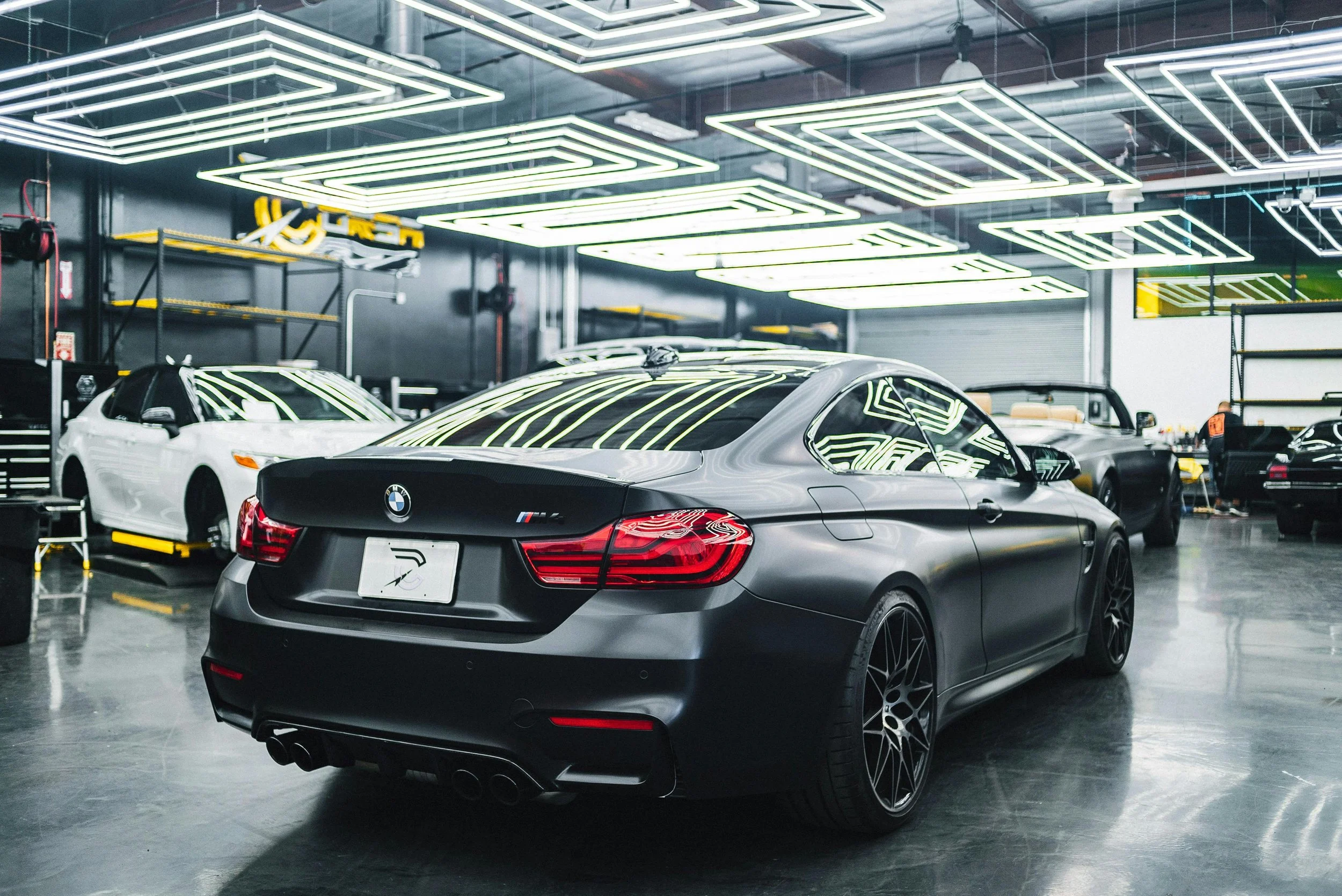
Photo by Modified Pov
By almost every measurable standard, modern cars are quicker than ever. Acceleration figures that once belonged to supercars are now common in family sedans and compact SUVs. Technology has made speed easier to access, easier to control, and easier to repeat. Yet for many drivers, something feels missing. The numbers are impressive, but the excitement does not always match them.
Part of this comes down to how modern performance is delivered. Power is smoother, traction is managed instantly, and software works constantly in the background to keep everything controlled. The result is speed without struggle. Cars launch hard, shift perfectly, and stay composed no matter how aggressively they are driven. While this makes them objectively better, it also removes much of the drama that once made fast driving feel special.
Older cars often felt slower on paper, but faster from behind the wheel. You felt the engine work, the tires search for grip, and the chassis communicate its limits. Acceleration came with sound, vibration, and effort. Modern cars isolate the driver from many of these sensations. Noise is reduced, steering is filtered, and feedback is softened in the name of comfort and refinement. What remains is speed that feels clean and efficient, but sometimes distant.
There is also the role of automation. Dual clutch gearboxes, advanced stability systems, and adaptive suspensions remove many of the decisions from the driver. The car knows when to shift, how much grip is available, and how to correct mistakes before they happen. This makes driving safer and more consistent, but it can also make the experience feel less personal. The driver becomes more of a supervisor than a participant.
Design and regulation play a part as well. Modern cars are heavier, built to meet safety standards and packed with technology. Even performance models carry more weight and complexity than their predecessors. Manufacturers compensate with more power, but added power does not always replace lost agility or feel. Speed increases, but the sense of connection does not always follow.
Perhaps the biggest factor is familiarity. Speed used to feel rare. Now it is everywhere. When almost any modern car can accelerate quickly and remain stable at high speeds, the sense of occasion fades. What once felt thrilling becomes normal. Excitement shifts away from raw performance and toward experience, character, and involvement.
This does not mean modern cars are worse. They are more capable, more reliable, and more accessible than ever. But excitement is not only about speed. It comes from engagement, unpredictability, and the feeling that the driver is an essential part of the process. As cars continue to get faster, many enthusiasts are realizing that what they miss is not the numbers, but the feeling that came with earning them.
