

Porsche’s E-Fuel Experiment and the Future of Combustion Engines
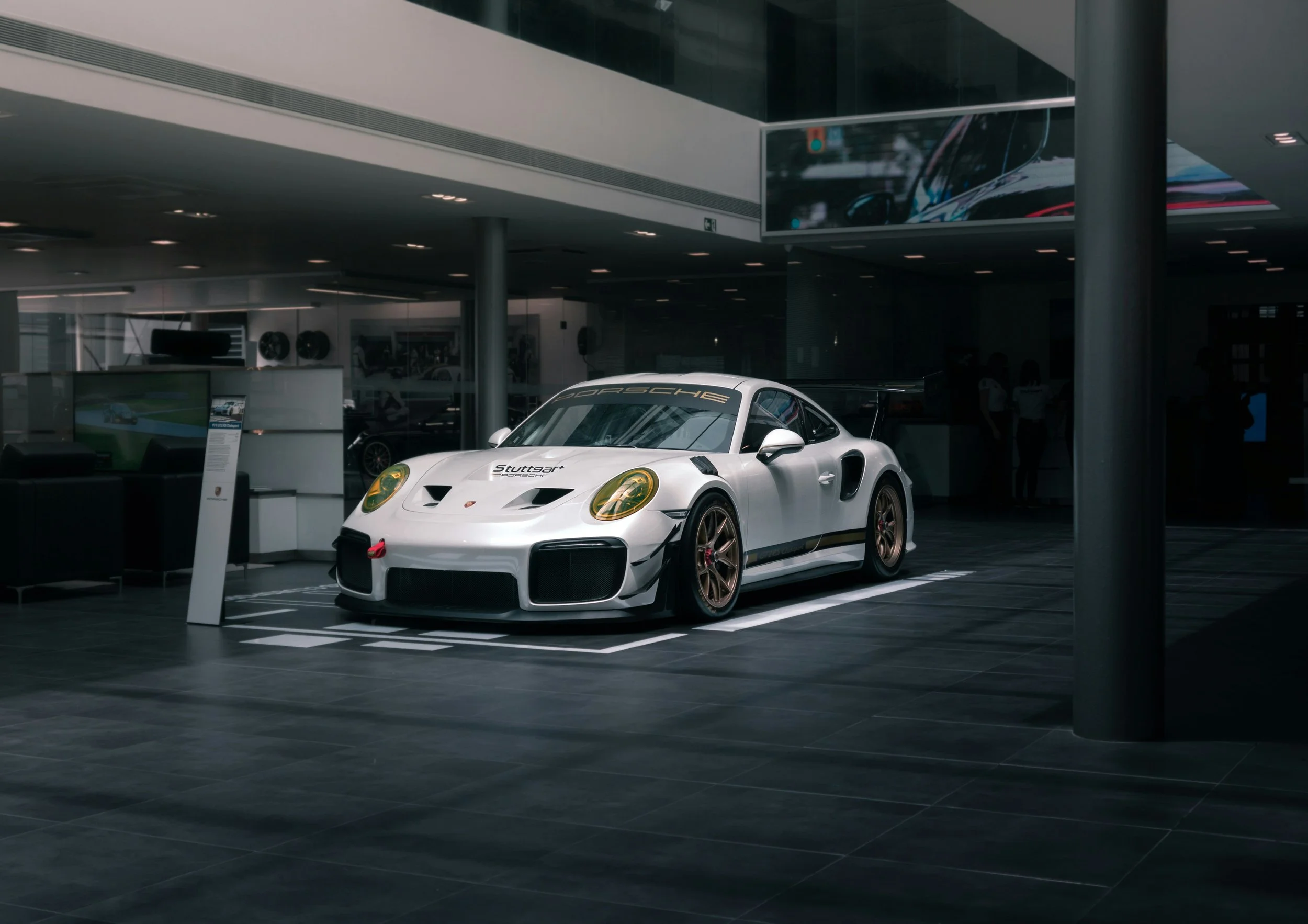
Photo by Igor Costa
As the automotive industry accelerates toward electrification, one manufacturer has taken a notably different approach to preserving the internal combustion engine. Porsche, long associated with performance heritage and engineering purity, has invested heavily in the development of synthetic fuels, commonly referred to as e-fuels. Rather than positioning e-fuels as a competitor to electric vehicles, Porsche presents them as a complementary solution, one that could extend the life of combustion engines in a carbon-constrained world.
E-fuels are synthetic fuels produced by combining hydrogen with captured carbon dioxide. The hydrogen is generated through electrolysis using renewable energy, while the carbon dioxide is sourced from the atmosphere or industrial processes. When burned, the fuel releases CO₂, but in theory, this is offset by the CO₂ captured during production, resulting in a near carbon-neutral cycle. The concept is not new, but Porsche’s involvement has brought renewed attention and credibility to the technology.
The company’s most notable effort is its pilot project in Chile, where strong and consistent winds provide ideal conditions for renewable energy generation. By locating production in regions with abundant green energy, Porsche aims to address one of the primary criticisms of e-fuels, namely their high energy demand. Producing synthetic fuel is far less efficient than charging a battery, but efficiency alone does not tell the full story. E-fuels offer compatibility with existing infrastructure, vehicles, and supply chains, something electrification cannot immediately replicate.
For Porsche, the motivation is partly practical and partly philosophical. A large percentage of the brand’s cars ever produced are still on the road today. Full electrification does little to reduce the emissions of these vehicles, which will continue to operate for decades. E-fuels provide a pathway to reduce their environmental impact without altering their mechanical identity. This is particularly significant for models like the 911, where the engine is not just a component but a defining element of the car’s character.
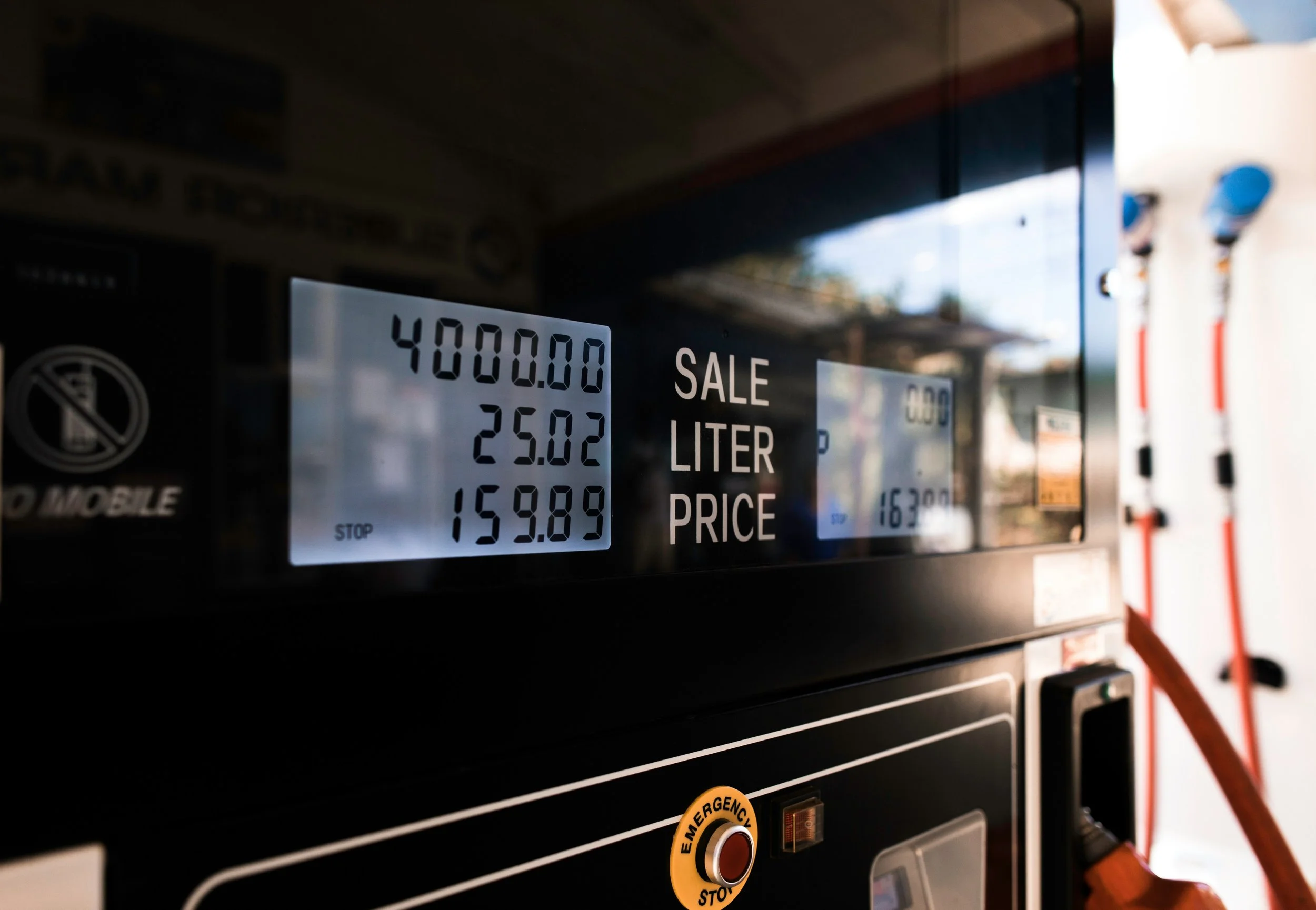
Photo by Rock Staar
Critics rightly point out the challenges. E-fuels are currently expensive to produce, energy intensive, and available only at very limited scale. Even with technological improvements, they are unlikely to become a mass-market replacement for conventional fuel in everyday vehicles. Porsche does not deny this. Instead, the company positions e-fuels as a targeted solution, best suited for sports cars, motorsport, aviation, shipping, and regions where electrification is impractical. There is also a regulatory dimension. As governments set timelines for banning new combustion engine vehicles, e-fuels introduce complexity into policy discussions. If a combustion engine can operate on a near carbon-neutral fuel, should it be treated the same as one burning fossil fuel? Porsche’s investment suggests that the future of mobility may not be as binary as electric versus combustion, but rather a mix of technologies applied where they make the most sense.
Perhaps the most important aspect of Porsche’s e-fuel initiative is what it represents culturally. At a time when much of the industry is moving in one direction, Porsche is attempting to preserve choice. Not by resisting change, but by expanding the definition of sustainability. The company continues to develop electric vehicles while simultaneously exploring ways to decarbonize the engines that define its past and present.
E-fuels are not a silver bullet. They will not replace electric vehicles, nor will they solve the climate challenge on their own. But as part of a broader strategy, they offer a compelling example of how innovation can bridge heritage and responsibility. Porsche’s bet on e-fuels is less about saving the past and more about ensuring that performance, emotion, and sustainability are not mutually exclusive in the future of driving.
