

The Return of Analog Driving in a Digital World
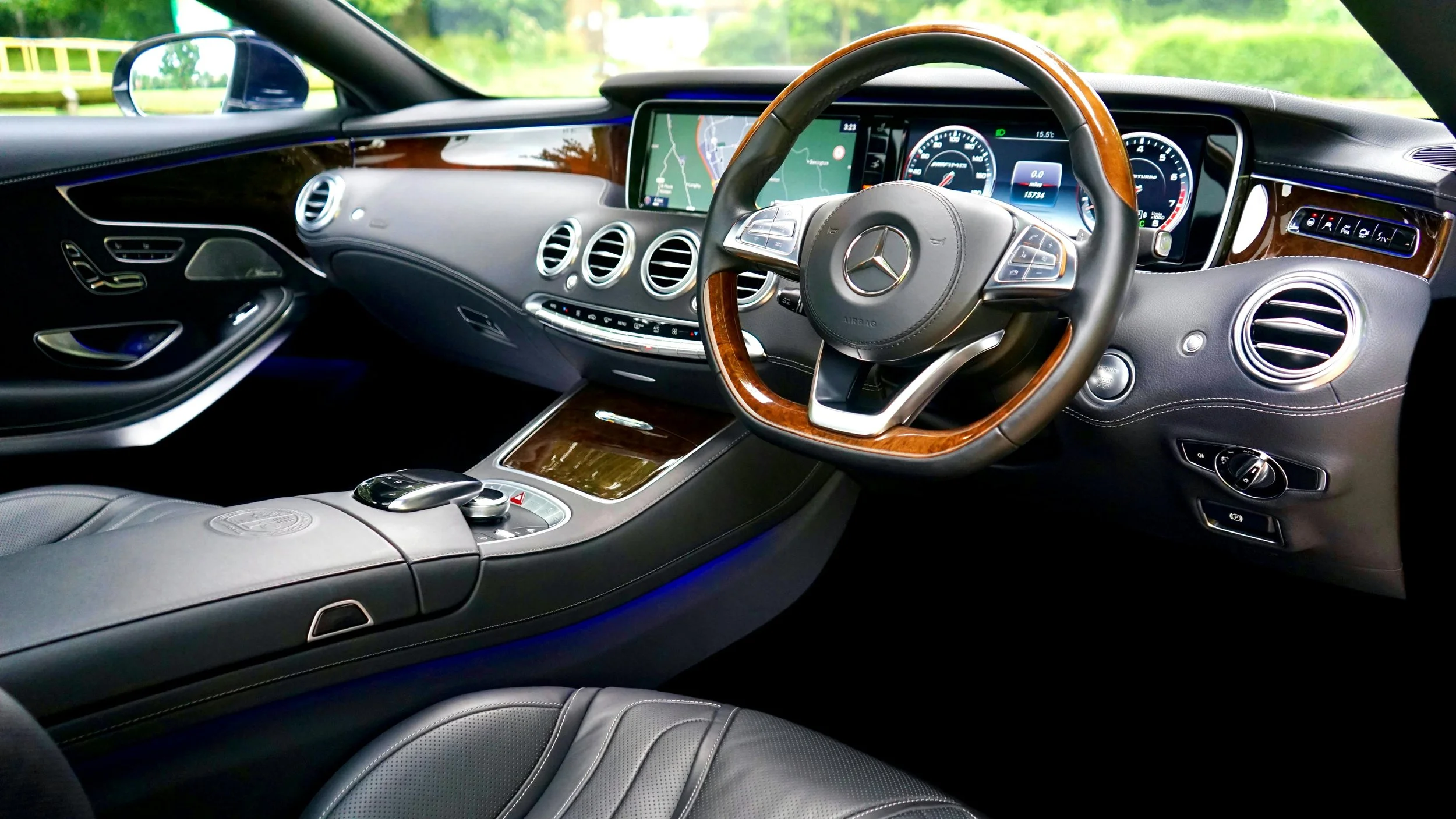
Photo by Mike Bird
Cars have never been more advanced than they are today. Touchscreens dominate dashboards, software controls everything from throttle response to steering feel, and driver assistance systems are becoming standard rather than optional. Yet at the same time, a quiet shift is happening. More drivers are seeking out cars that feel simpler, more mechanical, and more connected. In a world that is becoming increasingly digital, analog driving is making a return.
For many enthusiasts, the appeal lies in involvement. Analog cars ask more of the driver. They require attention, timing, and skill. The feedback comes through the steering wheel, the pedals, and the sound of the engine rather than through screens and notifications. Driving becomes an active experience instead of a passive one, and that difference matters more now than it did before.
There is also a growing sense of fatigue with constant digital interaction. Modern life already demands attention through phones, apps, and alerts. For some, driving an older or more analog car offers a form of escape. Without large screens or layers of software, the focus shifts back to the road. The simplicity feels refreshing, even grounding, in contrast to the always connected world outside the windshield.
This renewed interest can be seen in the market itself. Manual transmissions, hydraulic steering systems, and naturally aspirated engines are becoming more desirable, not less. Cars that once seemed outdated are now appreciated for what they offer. They feel honest. They do not filter the experience or smooth out every sensation. They allow imperfections, and those imperfections are often what make them memorable.
Manufacturers are beginning to recognize this shift, even as they continue to move forward with new technology. Some brands are reintroducing more driver focused elements, dialing back artificial steering feel, or offering simpler performance models that prioritize engagement over raw speed. While these cars may represent a small portion of sales, they carry cultural weight. They remind people why driving became something to love in the first place.
The return of analog driving is not about rejecting progress. Few people want to give up safety, efficiency, or reliability. It is about balance. Drivers are looking for experiences that feel human, mechanical, and personal in a landscape increasingly defined by automation. Analog cars provide that connection, even if they require more effort in return.
As the automotive world continues to evolve, analog driving may become rarer, but it is unlikely to disappear. Instead, it is becoming more intentional. Chosen not for convenience, but for feeling. In a digital world, that kind of authenticity stands out, and for many drivers, it is exactly what they have been missing.
