

Why Enthusiasts Still Prefer Combustion Engines
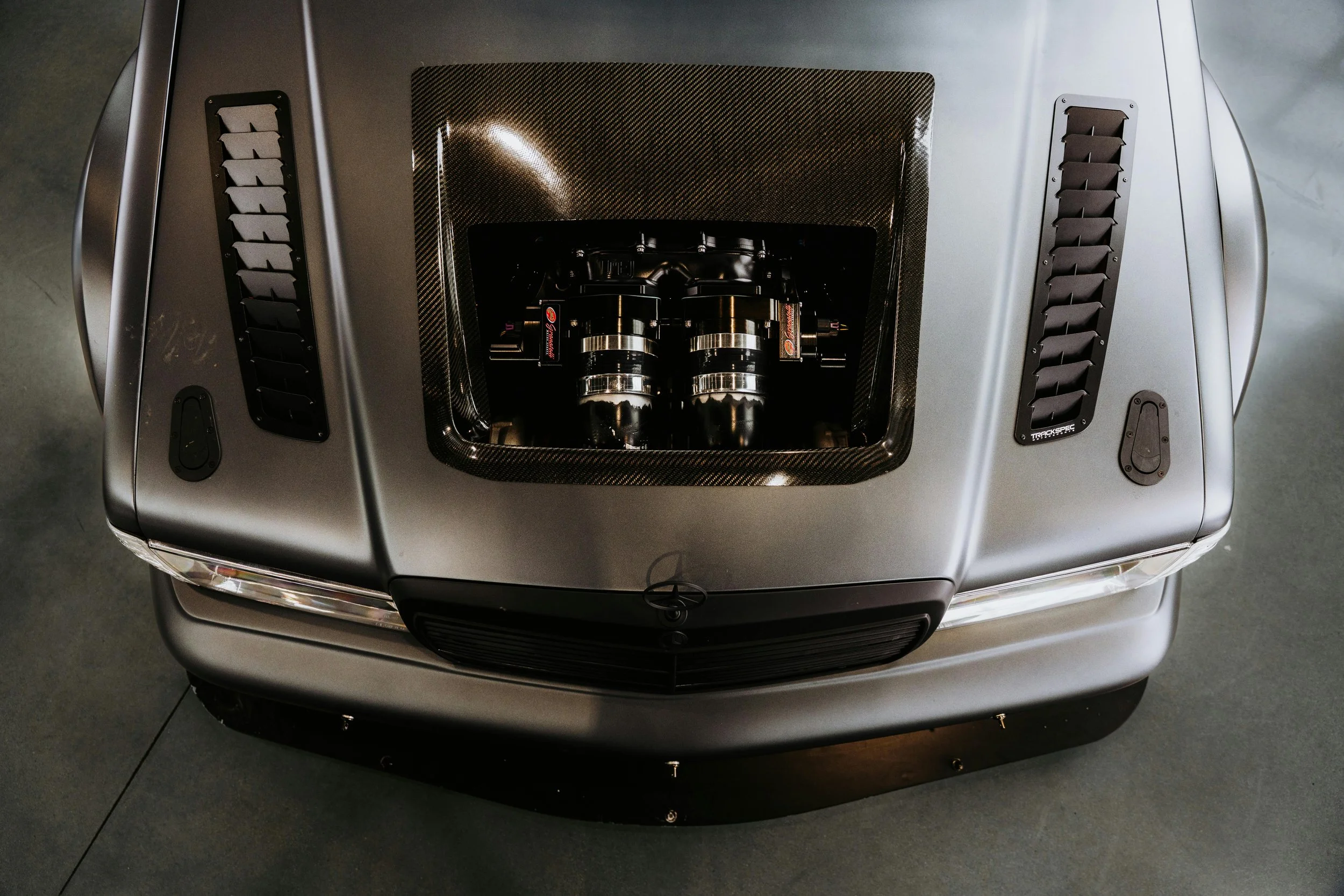
Photo by Luke Miller
The automotive world is changing faster than ever. Electric vehicles are becoming more common, regulations are tightening, and manufacturers are investing heavily in a future that looks very different from the past. Yet despite all of this momentum, many enthusiasts continue to hold onto combustion engines with a level of loyalty that feels almost personal. It is not resistance to progress. It is attachment to something that offers an experience modern alternatives have not yet replaced.
For enthusiasts, a combustion engine is more than a power source. It has character. The way an engine sounds at idle, how it builds power through the rev range, and the feedback it gives through vibration and response all play a role in how a car feels. These details create an emotional connection that goes beyond numbers on a spec sheet. While electric cars are undeniably fast, speed alone does not define engagement.
Driving involvement is a major part of the appeal. Combustion engines require interaction. Throttle input, gear selection, engine braking, and timing all matter. The driver is constantly communicating with the car, adjusting and reacting in real time. That sense of control and participation is something many enthusiasts value deeply, especially as modern vehicles become more automated and software driven.

Photo by Ingo Joseph
There is also a strong cultural element tied to combustion engines. Decades of motorsport, tuning culture, and mechanical experimentation have been built around internal combustion. From engine swaps and exhaust setups to track builds and late night garage work, the culture is rooted in hands on involvement. For many, working on an engine is just as important as driving it. Electric platforms, while impressive, do not yet offer the same level of mechanical intimacy.
Sound plays an undeniable role as well. The growl of a V8, the high revving scream of a naturally aspirated engine, or the distinctive whistle of a turbocharged setup are part of what makes cars memorable. These sounds create identity. They mark moments. Silence, even when paired with performance, changes the emotional weight of driving in ways some enthusiasts are not ready to accept.
That does not mean enthusiasts are ignoring the future. Many appreciate what electric technology brings to the table and recognize its importance. But preference does not always follow progress. For now, combustion engines represent a balance of emotion, skill, and personality that continues to resonate. They offer imperfection, unpredictability, and individuality, qualities that many drivers find essential.
As the industry moves forward, combustion engines may become less common, but their appeal is unlikely to disappear. Instead, they may become more cherished, more intentional, and more closely tied to the people who truly love driving. For enthusiasts, it is not about rejecting change. It is about holding onto an experience that still feels alive.
