

Why Car Photography Matters More Than Ever in the Digital Age
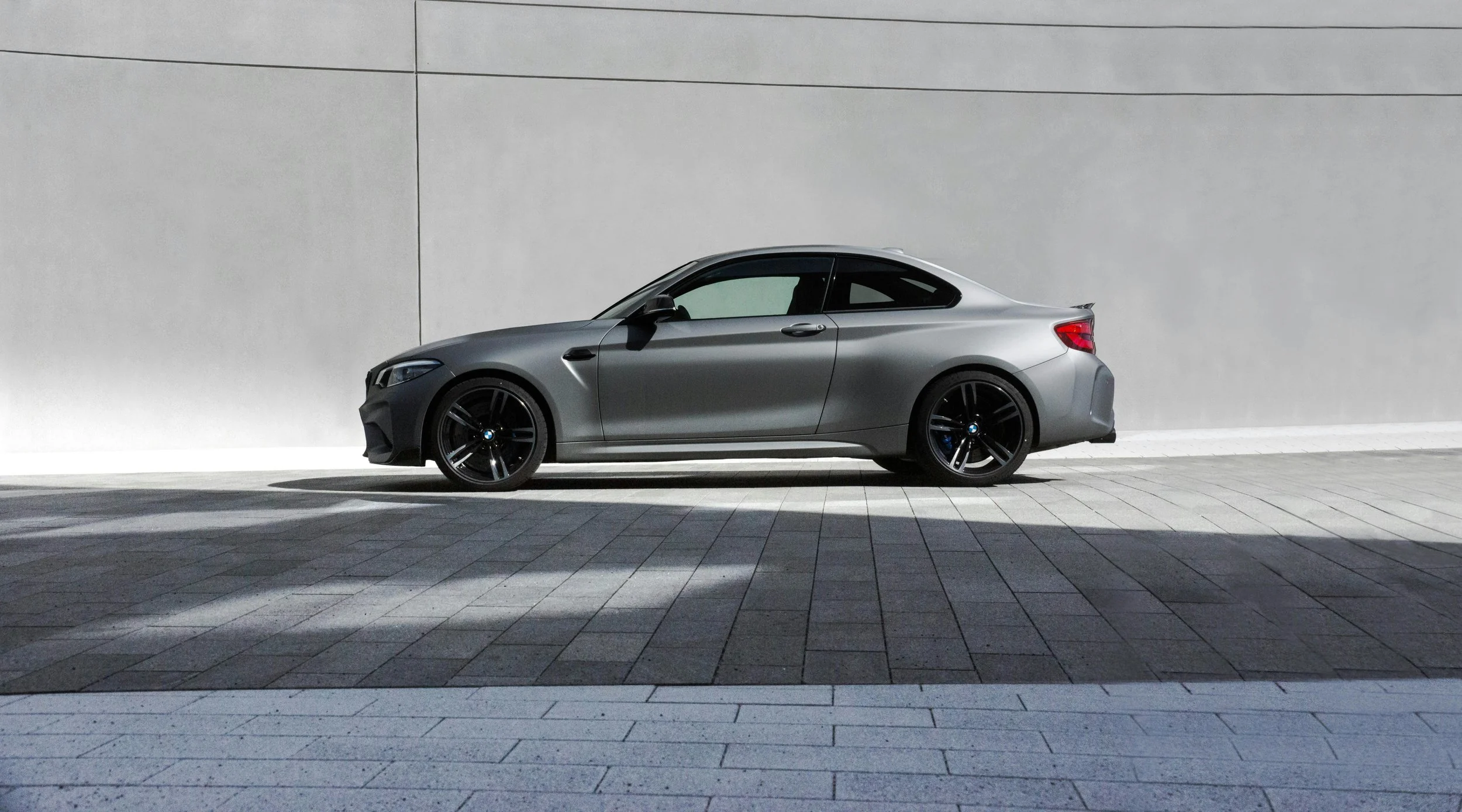
Photo by Jonas Alteneder
Cars have always been visual objects. Long before social media, photography played a role in shaping how people saw and understood automotive culture. In the digital age, that role has not diminished. It has grown. As attention spans shorten and online spaces become more crowded, strong car photography has become one of the most powerful ways to communicate passion, identity, and culture.
Today, most people experience cars through a screen before they ever see them in person. A single image can introduce a new model, define a brand, or turn an unknown build into something widely recognized. In this environment, photography does more than document. It frames the narrative. The angle, lighting, and moment captured can change how a car is perceived, whether it feels aggressive, elegant, raw, or refined.
Social media has accelerated this shift. Platforms built around visuals have turned photography into the language of car culture. Clean shots, motion blur, night scenes, and detail-focused images now sit alongside videos as essential tools for storytelling. A well shot photo can stop someone from scrolling, create curiosity, and invite them into a deeper story behind the machine. In many cases, it is the image that makes people care before they know any technical details.
Photography also plays a crucial role in preserving individuality. As modern cars become more similar in shape and technology, the way they are captured helps highlight what makes them different. The setting, the color grading, the environment, and the timing all contribute to giving a car personality. For builders and owners, photography becomes a way to express creativity and share the work that often happens out of sight.
There is also an emotional side to car photography that goes beyond aesthetics. Photos freeze moments that might otherwise be forgotten. A late night drive, a first completed build, a quiet moment before a meet begins. These images carry memory and meaning. They turn cars into stories rather than objects, and stories are what keep culture alive.
As the automotive world becomes more digital and more automated, photography remains one of the most human elements of the scene. It relies on observation, timing, and personal perspective. It reflects how someone sees a car, not just what the car is. In that sense, photography becomes a bridge between machines and the people who love them.
In the digital age, car photography is no longer just about showing a vehicle. It is about creating connection. And as long as car culture continues to evolve online, the importance of strong, thoughtful imagery will only grow.
