

Are Manual Cars Really Dying? A Real Look at the Market
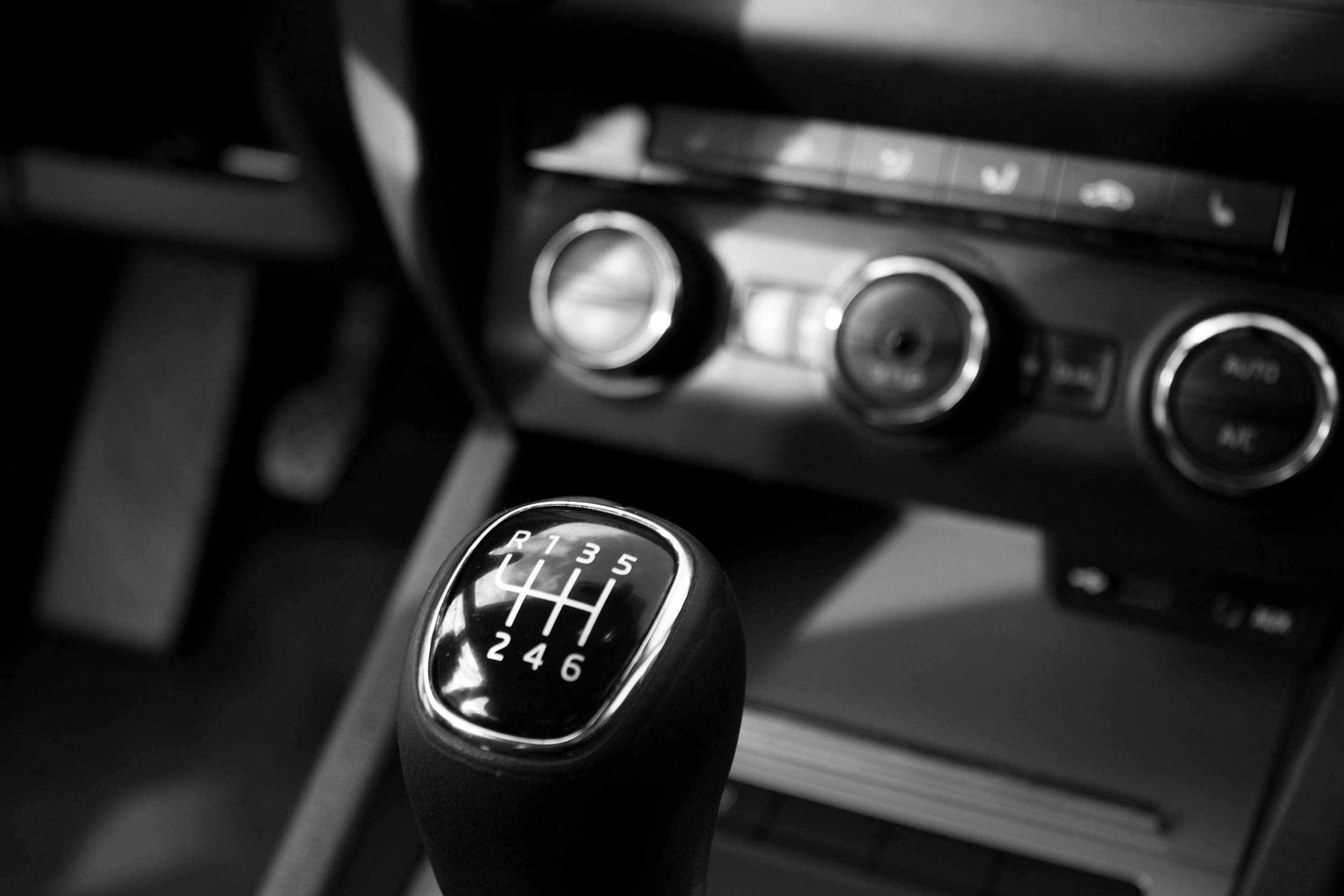
Photo by Martinus
For years, people have been saying that manual cars are on their way out. Every few months, a new headline appears predicting the end of the stick shift, and the numbers often seem to support it. Fewer models offer manuals, automakers are shifting toward electric platforms, and younger drivers are growing up in a world where almost everything is automatic. But the reality in 2025 is more complicated than the usual narrative suggests.
It is true that the manual transmission is far less common than it used to be. Most mainstream manufacturers have trimmed their lineups, and some of the biggest brands no longer offer a single manual option. The market has changed, and for many companies, the demand simply is not strong enough to justify development and certification. Automatics are quicker, easier for everyday driving, and more efficient than they once were, and for a large part of the population, that is all they need.
But the story doesn’t end there. While manuals are disappearing from mass-market cars, they are experiencing something close to a cultural revival among enthusiasts. The desire for a more connected driving experience has grown stronger as cars become more digital. Drivers who want to feel the road, control the engine, and engage with the car in a way that buttons and software cannot reproduce are holding onto the manual with more passion than ever.

Photo by Alexavier Rylee Cimafranca
You can see this in the used market, where manual versions of certain models are suddenly more valuable than their automatic counterparts. Cars that once sat unnoticed on classifieds are now being hunted down by buyers who want something real, something mechanical, something that requires the driver to be part of the process. Even older performance cars with simple engines and three pedals are becoming collectibles, and prices reflect that shift.
Manufacturers are paying attention. A small group of brands are keeping the manual alive, not because it is the most practical option, but because it represents a part of driving culture that still matters. Some sports cars, hot hatches, and performance models continue to offer manuals because there is a loyal audience asking for them. In some cases, companies have even brought manuals back after removing them, which shows that the demand might be small, but it is loud enough to make a difference.
The rise of electric vehicles complicates the picture even further. EVs, by their nature, do not use manual gearboxes, and as the world moves toward electrification, the manual transmission will naturally become rarer. But that does not mean it will disappear entirely. Instead, it may shift into a different category, similar to film cameras or vinyl records. Not dominant, but meaningful. Not common, but appreciated. Something people seek out because it offers an experience modern technology cannot replace.
So are manual cars really dying? If we look at the broad market, the answer leans toward yes. They are far less common, and they are unlikely to return to the mainstream. But if we look at the culture behind them, the picture is very different. The manual transmission is becoming a symbol of pure driving, something enthusiasts value precisely because it is no longer the norm. In that sense, manuals are not dying at all. They are becoming more intentional, more appreciated, and more connected to the core of what makes driving exciting.
In the end, the manual may no longer define the market, but it still defines a part of car culture that refuses to fade away.
