A New Era for Top Gear: How Three YouTubers Are Taking the Wheel
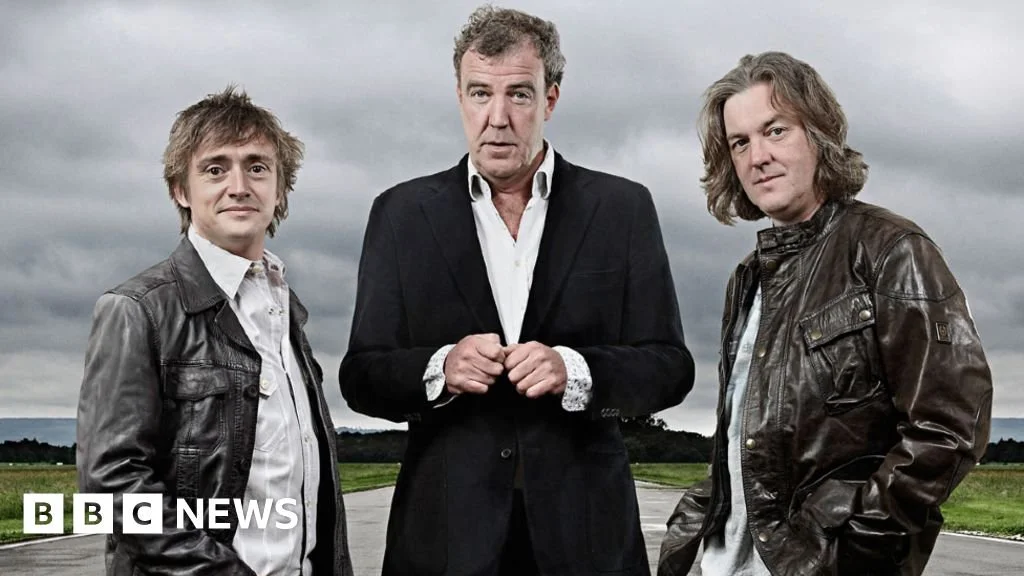
Photo by BBC News
In 2025 the landscape of automotive entertainment is shifting. After nearly two decades of traditional television presenters dominating shows like Top Gear and The Grand Tour, a new generation of hosts is poised to take the wheel — and this time, they come straight from the world of digital content.
The era defined by Jeremy Clarkson, Richard Hammond and James May on Top Gear, and later The Grand Tour, ended in 2024 with the final special of the Amazon Prime series, One for the Road. After concluding a prestigious run that spanned decades, the iconic trio stepped back, leaving a gap and a challenge: how to evolve a beloved format for a changing audience.
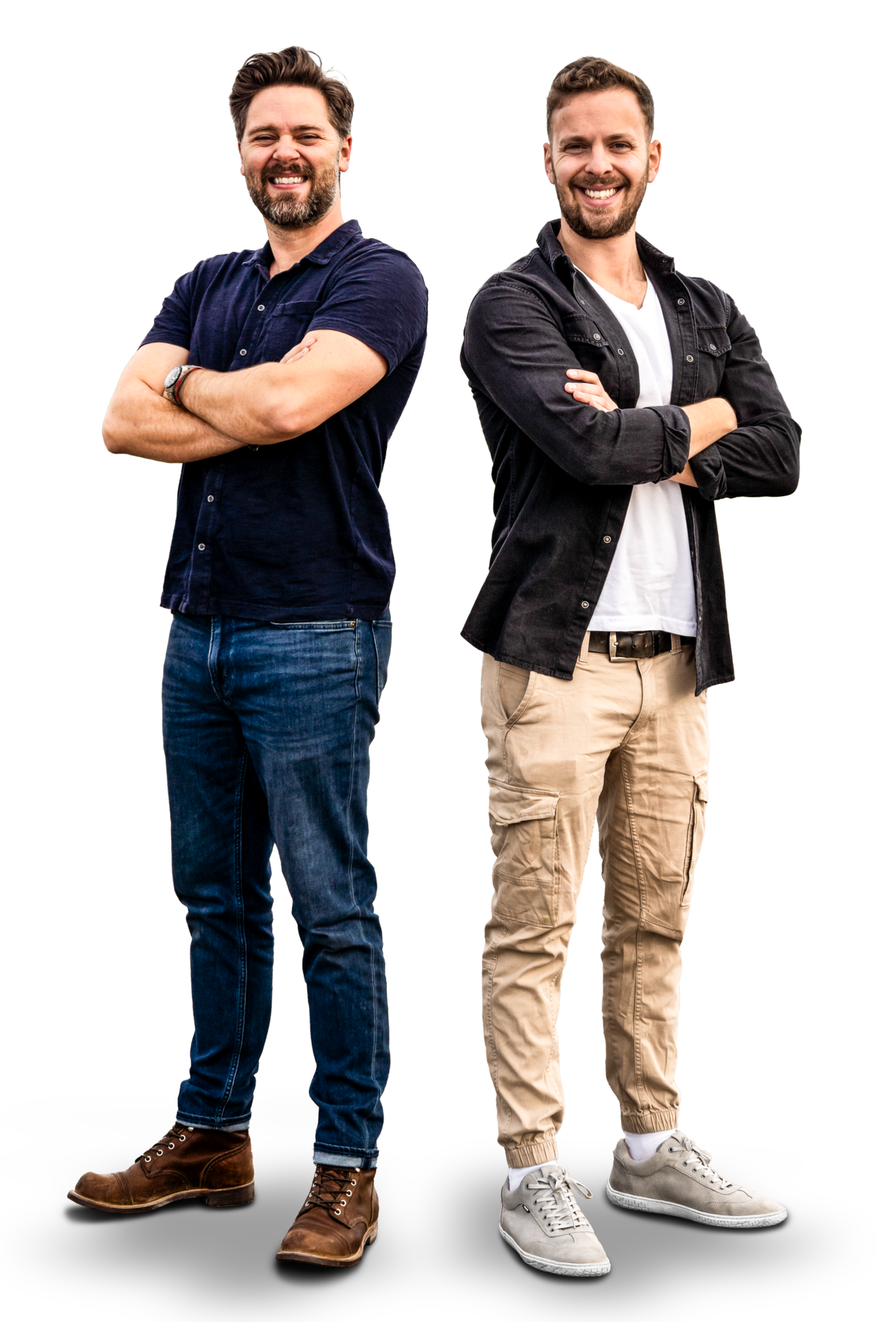
Photo by Throttle House
According to multiple reports, the next chapter will be driven not by traditional TV personalities, but by creators who built their reputation online. Rumors point to the duo behind Throttle House: Thomas Holland and James Engelsman are joining forces with social media personality Francis Bourgeois.
Throttle House has emerged as one of the most influential automotive channels on YouTube, known for well-produced reviews, track tests and candid insights that resonate with millions of viewers. Holland and Engelsman bring a blend of technical understanding and casual chemistry that reflects the way many younger fans consume car content today. Their inclusion signals a clear shift toward digital-first personalities in mainstream automotive programming.
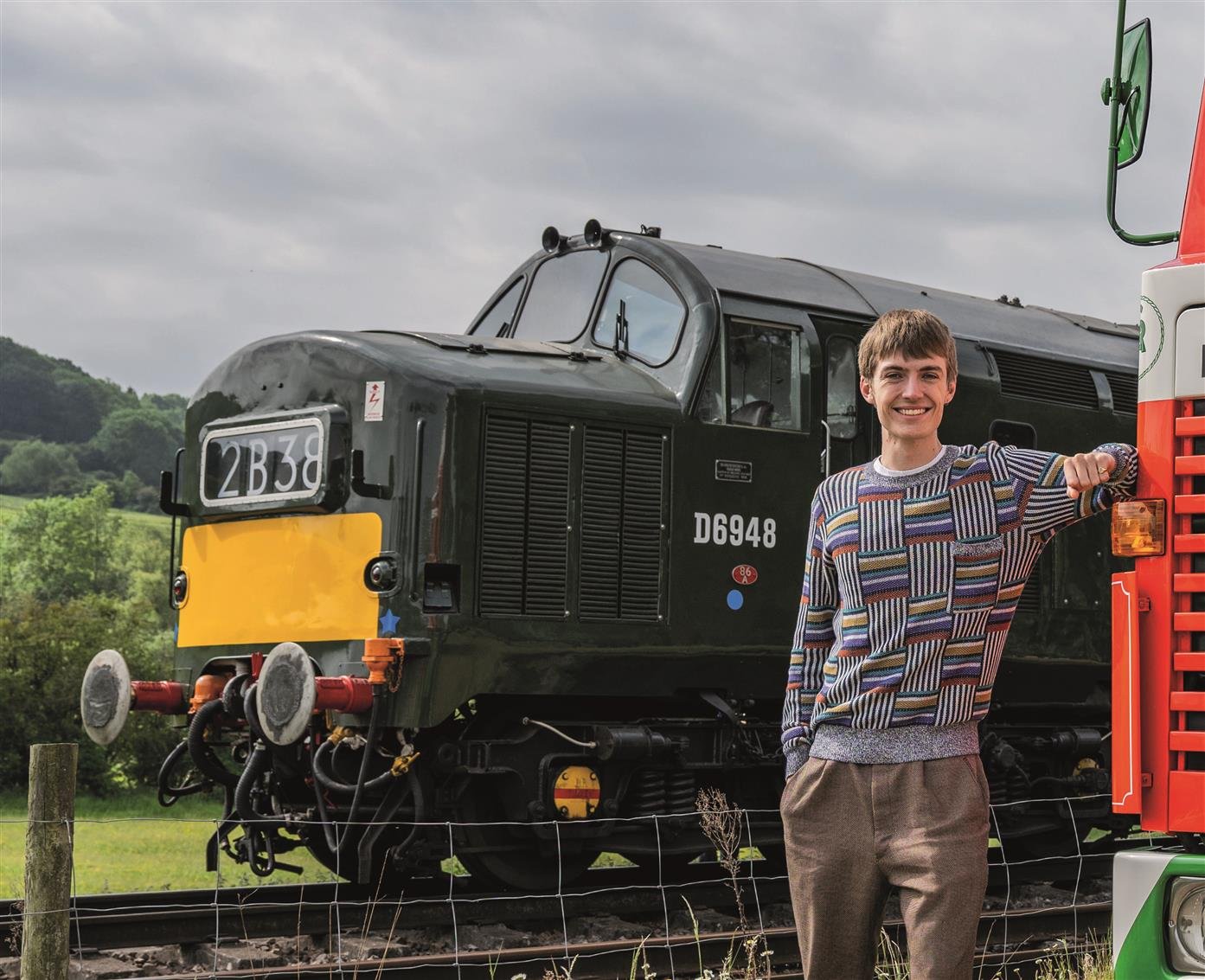
Photo by Commercial Motor
Francis Bourgeois is perhaps less traditional in his motoring credentials, but no less significant. Best known for his infectious enthusiasm that first gained traction through viral social content, Bourgeois has since appeared in a range of automotive videos and collaborations. His presence promises a lighter, more spontaneous energy, one that aligns with a growing audience who appreciates authentic, personality-driven content over polished broadcasting.
This proposed trio represents a notable evolution in the genre. The original Top Gear and The Grand Tour succeeded on a combination of expertise, humour, and on-screen chemistry that drew viewers into both the automotive and entertainment worlds. What the new lineup may lack in decades of industry experience, it could make up for in accessibility and digital fluency. These hosts understand the platforms where car culture thrives today, YouTube, social media, and community forums, and how to engage with an audience that expects interaction as much as observation.
There are challenges ahead. Traditional fans of Top Gear and The Grand Tour often point to the unique chemistry of previous hosts as something hard to replicate. Shifting from seasoned journalists and broadcasters to social media personalities raises questions about depth of knowledge and on-screen dynamics in high-production environments. Yet this transition reflects broader trends in media: personalities who can connect directly with audiences, frame experiences organically, and adapt to a diverse range of formats are increasingly valued.
Moreover, bringing digital creators into a mainstream motoring show could help bridge the gap between new and old audiences. Long-time fans may initially view the move with scepticism, but younger viewers are already accustomed to following their favourite reviewers online may find a familiar and welcome voice in this new era.
The idea of digital natives leading a major automotive show still feels like a bold gamble, but it also represents a logical evolution. Car culture has always been about passion, community and shared experience. Whether that happens around a TV screen or through a livestream doesn’t change the core appeal, it just means the next generation gets to bring their own perspective to a format that has always been about more than just cars.
