

Is Car Culture Becoming More About Image Than Driving?
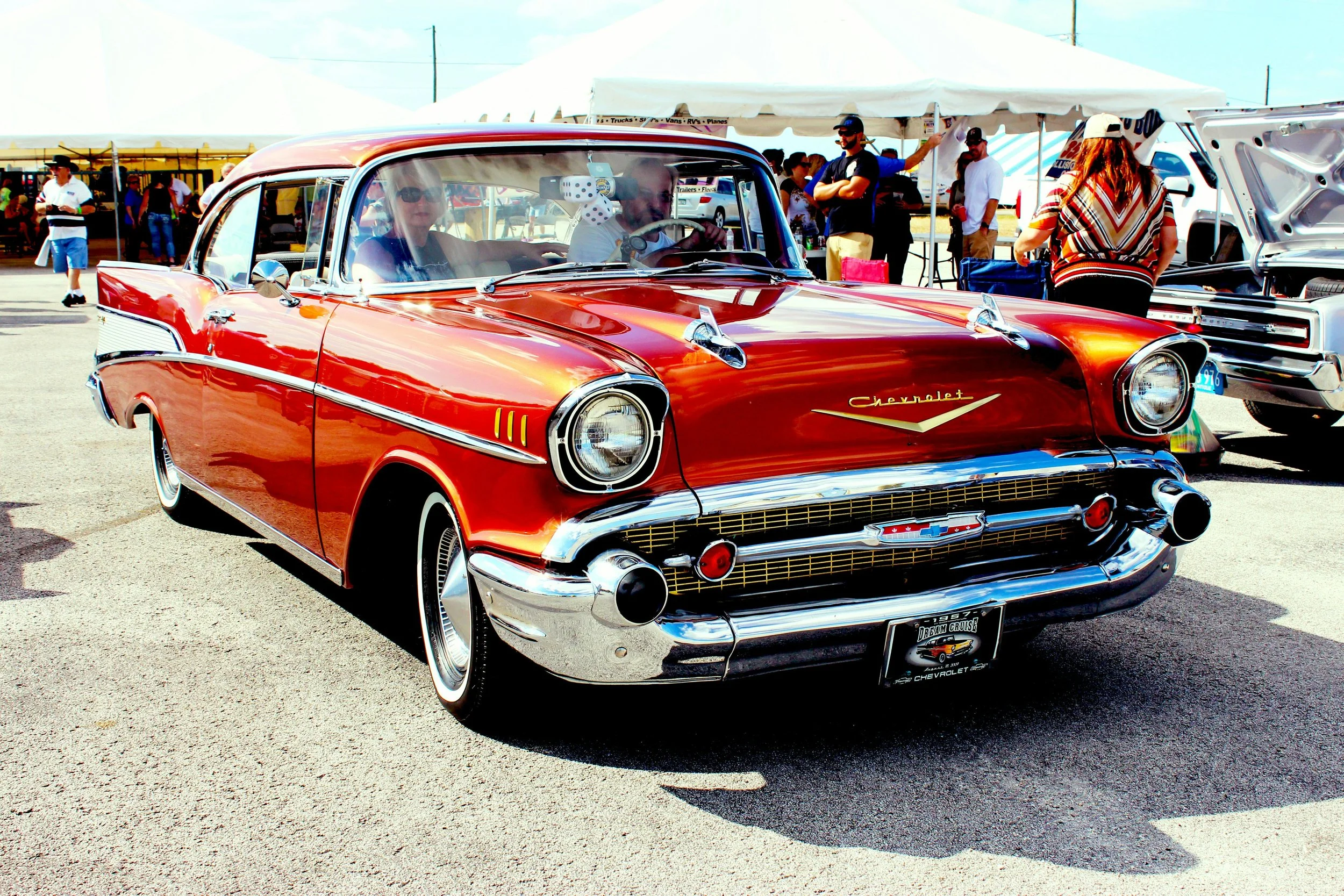
Photo by Pixabay
It feels like car culture has never been more visible and, at the same time, never more distant from actual driving. Open any social platform and you are met with immaculate builds, cinematic rollers, perfectly staged fuel stops, and cars that seem to exist more for the lens than the road. The passion is still there, but its center of gravity may have shifted. The question many enthusiasts quietly ask now is whether modern car culture is becoming more about how cars look and how they are perceived than how they feel to drive.
For decades, car culture was rooted in experience. It lived in late-night drives, imperfect roads, mechanical quirks, and the shared understanding that a car revealed its personality only when it was moving. Ownership mattered less than use. Stories were earned behind the wheel, not curated in a feed. Today, the culture has expanded dramatically, but expansion brings change, and not all of it is comfortable.
The Rise of the Visual First Mentality
The digital age has transformed cars into visual objects before anything else. Platforms reward striking imagery, symmetry, low stances, aggressive aero, and clean compositions. The algorithm does not care how a car feels at the limit, how the steering loads up through a corner, or how a gearbox communicates with the driver. It cares about instant impact.
This has subtly reshaped priorities. Builds are planned around how they will photograph rather than how they will drive. Modifications favor aesthetics over balance. Wheels and suspension are chosen for fitment before geometry. Interiors are detailed for close-ups while mechanical upgrades remain secondary. None of this is inherently wrong, but it represents a clear shift from function-first thinking.
Driving, by contrast, is difficult to translate visually. The sensations that define a great car are invisible. Feedback, timing, weight transfer, and sound are experienced, not captured. As a result, driving has become less visible in a culture increasingly defined by what can be shared.
Cars as Personal Brands
Another major shift is the way cars now function as extensions of personal branding. Enthusiasts are no longer just owners or drivers, they are content creators, even if unintentionally. A car becomes a calling card, a curated identity, a signal to an audience.
This changes the relationship between person and machine. Risk is minimized, because damage disrupts the image. Mileage is controlled, because wear disrupts the aesthetic. Driving hard, getting lost, or taking the long way home becomes secondary to maintaining a narrative. The car still matters, but it matters as an object, not as a companion.
In earlier eras, the bond between driver and car was forged through use. Scratches told stories. Mechanical failures were lessons. Today, flaws are edited out, both digitally and physically. Perfection is preserved, sometimes at the cost of authenticity.
The Influence of Modern Car Design
Manufacturers have also adapted to this visual-first culture. Modern cars are designed to look fast and aggressive even when standing still. Sharp lines, oversized wheels, dramatic lighting signatures, and exaggerated proportions dominate the market. These designs photograph well and generate immediate emotional reactions online.
At the same time, many modern cars are easier and safer to drive than ever before. Technology isolates the driver from risk and, often, from feedback. Speed is accessible, but sensation is filtered. A car can feel fast without feeling engaging.
This creates a paradox. Cars are objectively more capable, yet subjectively less memorable. When driving becomes effortless, it loses some of its meaning. In a culture already drifting toward image, this reinforces the idea that the car’s presence matters more than its process.
Driving Still Matters, Even If It’s Quieter
Despite these shifts, driving has not disappeared. It has simply become quieter. There are still people who wake up early for empty roads, who choose routes over destinations, who value steering feel over screen size. They may not always broadcast it, but their relationship with cars remains deeply physical and personal.
Interestingly, some of the strongest reactions against image-driven culture come from this group. There is a renewed appreciation for analog experiences, manual transmissions, lightweight cars, and older machines that demand attention. These preferences suggest that driving still holds power, even if it competes with louder visual narratives.
What has changed is visibility. Driving does not dominate the conversation anymore, but it persists beneath the surface, often more meaningful precisely because it is not performed.
A Culture at a Crossroads
Car culture today is not broken, but it is divided. One side thrives on presentation, community, and shared aesthetics. The other values experience, solitude, and the quiet satisfaction of a good drive. Most enthusiasts exist somewhere in between, enjoying the beauty of cars while still longing for connection.
The danger lies not in image itself, but in imbalance. When cars stop being driven, they stop teaching us anything. When culture rewards appearance over engagement, it risks becoming hollow. But when image and experience coexist, when a car looks good and is used well, the culture becomes richer.
The future of car culture will likely be shaped by those who find that balance. People who understand that a photograph can capture a moment, but a drive creates a memory. People who are willing to let a car age, wear, and evolve. People who remember that cars were never meant to be static.
It may feel like car culture is becoming more about image than driving, but the desire to drive has not gone away. It is waiting, patiently, for those willing to step away from the screen, turn the key, and remind themselves why cars mattered in the first place.
