

The BMW Logo Screw Backlash
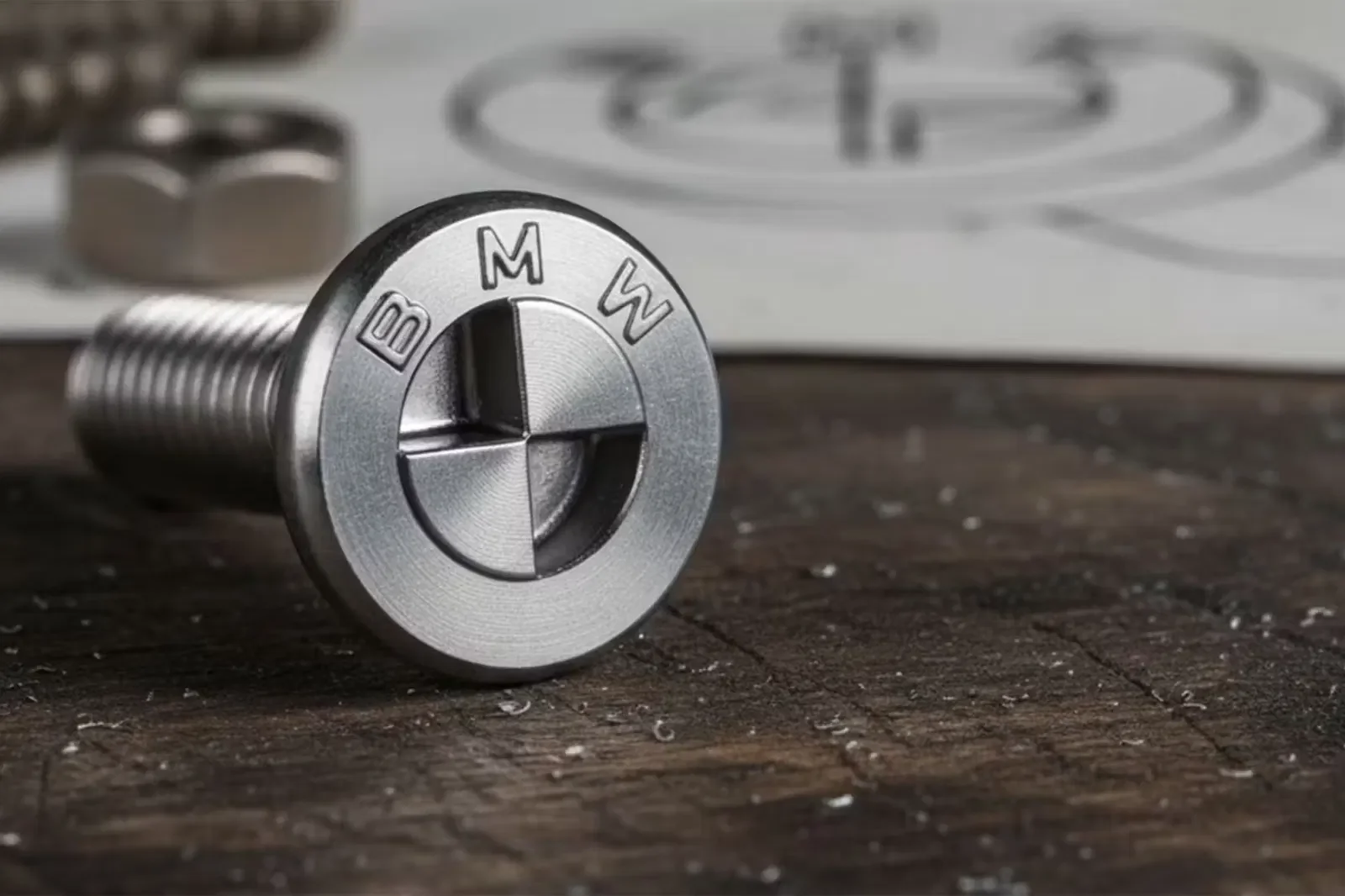
Photo by Visordown
It feels almost absurd that a single screw could ignite this much anger, but that reaction says more about the moment car culture is in than about the hardware itself. When news emerged that BMW had patented a logo-shaped screw head, the outrage was immediate. At first glance, it sounded like another branding gimmick, a manufacturer stamping its identity onto yet another detail. But the real issue runs much deeper, and it has very little to do with how the screw looks.
The concern is not about BMW producing a proprietary fastener. Carmakers have always used unique parts. The problem is what this particular screw represents, the growing difficulty for owners and independent mechanics to service modern cars without manufacturer-specific tools and permissions.
At the center of the backlash is the screw head design itself. According to the patent, the fastener is shaped in such a way that it cannot be removed using standard tools. Common sockets, screwdrivers, or bits would not engage properly. Instead, a special tool, likely controlled or licensed by BMW, would be required. That detail immediately raised alarms within enthusiast and right-to-repair communities.
For decades, one of the unspoken foundations of car ownership has been access. Even if you did not personally work on your car, you had the option to. Independent garages existed. Aftermarket tools were available. A mechanically inclined owner could remove panels, replace parts, and understand their machine without needing corporate approval. This screw challenges that assumption in a very physical, unavoidable way.
What makes the situation feel different is how small and ordinary the component is. A screw is not advanced technology. It is not a safety system or encrypted software. It is one of the most basic elements of mechanical design. When even that becomes proprietary and locked behind special tooling, it sends a message that nothing on the car is truly meant to be accessed by the owner anymore.
This is why the backlash escalated so quickly. Enthusiasts immediately recognized the pattern. Over the past decade, cars have steadily moved toward closed ecosystems. Diagnostic software is restricted. Features are locked behind subscriptions. Parts are serialized. Repairs that once took minutes now require dealership visits. The logo screw felt like the next logical step in that progression, but also the most blatant.
Many feared where such fasteners could eventually be used. If applied to cosmetic trim, the inconvenience would be minor. But if installed on interior panels, seats, or functional components, it could make even simple maintenance impossible without specialized tools. For DIY owners, this represents a direct loss of agency. For independent shops, it threatens viability.
The frustration is amplified because BMW has long cultivated an enthusiast image. Its history is rooted in driver engagement, mechanical connection, and cars that reward involvement. A large portion of its fan base consists of people who enjoy working on their vehicles, modifying them, and keeping them on the road well beyond warranty periods. For that audience, restricting access feels like a betrayal of the brand’s own narrative.
BMW has not confirmed whether the screw will be used on production vehicles, and it is entirely possible that it never will. Automakers patent many ideas that never reach the road. But in modern car culture, intent matters almost as much as execution. The patent alone was enough to spark outrage because it aligned too closely with existing fears.

Those fears extend beyond BMW. This controversy landed in the middle of global debates about right-to-repair legislation, consumer ownership, and the role of manufacturers after a sale is complete. When a company designs parts specifically to prevent unauthorized access, critics argue it undermines the concept of ownership itself. You may legally own the car, but your ability to maintain it becomes conditional.
Defenders of the move point to legitimate concerns. Automakers worry about safety, counterfeit parts, and improper repairs. Modern vehicles are complex, and mistakes can have serious consequences. From a corporate standpoint, controlling tools and procedures reduces liability. But for many enthusiasts, that explanation feels increasingly insufficient, especially when the restriction applies to something as fundamental as a fastener.
What really fueled the anger was symbolism. The logo screw became a stand-in for everything enthusiasts feel they are losing. It represents the shrinking space for curiosity, learning, and independence. It turns maintenance into a permission-based activity rather than a right. And it reinforces the idea that modern cars are not designed to be lived with long-term, but managed within a controlled lifecycle.
This is not just nostalgia speaking. Independent repair networks play a critical role in affordability, sustainability, and accessibility. When cars can only be serviced through official channels, costs rise, repair timelines lengthen, and older vehicles are pushed toward obsolescence faster. A simple screw, if widely implemented, could quietly accelerate that process.
The reaction also highlights how attentive the car community has become. Small design decisions no longer go unnoticed. In an era where trust between manufacturers and enthusiasts feels fragile, every choice is scrutinized. BMW may have intended to protect branding or prevent tampering, but what many heard was exclusion.
Ultimately, the logo screw backlash is about more than BMW. It reflects a growing tension between innovation and openness. Enthusiasts are not opposed to progress. They accept complexity. What they resist is being locked out of their own machines.
Whether the screw ever appears on a production car is almost secondary now. The conversation it sparked has already done its work. It forced a discussion about where the line should be drawn between safety, control, and ownership. And it reminded manufacturers that even the smallest components can carry enormous cultural weight.
A screw may seem insignificant, but in this case, it exposed a fault line. Not in metal, but in trust.
