

Why Car Culture Is Making a Big Comeback in 2025

Photo by Erik Mclean
After years of shifting trends, rising digital distractions, and predictions that younger generations would abandon cars altogether, something unexpected is happening in 2025: car culture is alive again. Not quietly, not nostalgically, but loud, present, and growing in ways that feel both familiar and completely new.
Part of this resurgence comes from a new generation finally reaching a point where they can drive, buy, and modify their own cars. Many of them grew up watching builds on YouTube, scrolling through automotive Instagram pages, and seeing cars not just as transportation, but as creative expression. Now that they have access to the real thing, they’re eager to make it their own. There’s a sense of discovery in finally feeling what a car can do, the sound, the movement, the personality, and it’s pulling young people deeper into the scene.
Social media has only amplified this shift. A decade ago, you had to show up to a meet to see interesting cars. Today, you can open your phone and find everything from home-built projects to high-end exotics shot in cinematic detail. The online world hasn’t replaced real car culture; it’s made it more visible, more shareable, and more inspiring. Someone in Europe can influence a build style in the US. A creator in Japan can spark a trend that spreads globally within days. The platforms that once seemed like a threat to car culture have become its biggest stage.
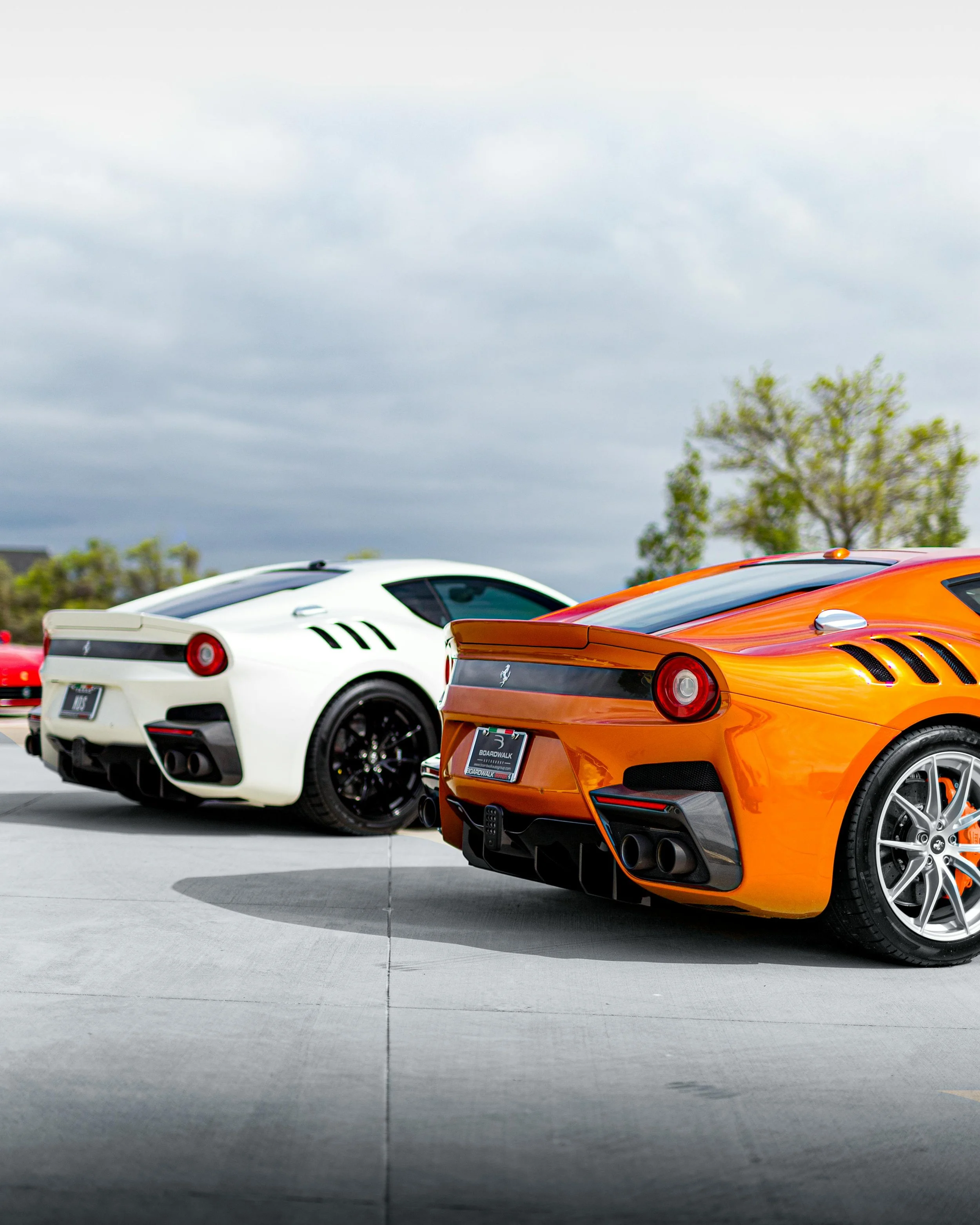
Photo by Eric Weber
There’s also a growing appreciation for the emotional side of driving, something many people didn’t realize they missed until it was almost gone. With the rapid rise of electric vehicles and the push toward automation, a lot of enthusiasts have felt the urge to reconnect with analog experiences: shifting gears, hearing an engine work, feeling the road through the wheel. Even people who don’t consider themselves die-hard enthusiasts are seeking cars with character, personality, and story. In an increasingly digital world, cars offer a form of escape that feels real.
At the same time, manufacturers have started bringing back designs and ideas inspired by earlier eras. Retro-influenced models, more engaging driving dynamics, and a renewed focus on performance have helped remind people why cars became cultural icons in the first place. When the industry shows passion, the community responds.
And maybe the most important factor: people are craving community again. Car meets, which had slowed down for a while, are filling parking lots and industrial areas on weekend nights. Not because people want to show off, but because they want to connect with others who understand the same obsession. You don’t need to own a certain brand, a certain model, or a certain level of modification, you just need to show up. That sense of belonging is becoming one of the strongest forces behind the comeback.
Car culture isn’t returning to what it used to be. It’s evolving into something more open, more creative, and more connected than ever. And in 2025, you can feel it, online, on the streets, and everywhere people still believe that cars are more than machines. They’re stories, memories, identity, and freedom. And that’s something worth coming back to.
