

Why the Best Driving Cars Today Aren’t the Fastest Ones
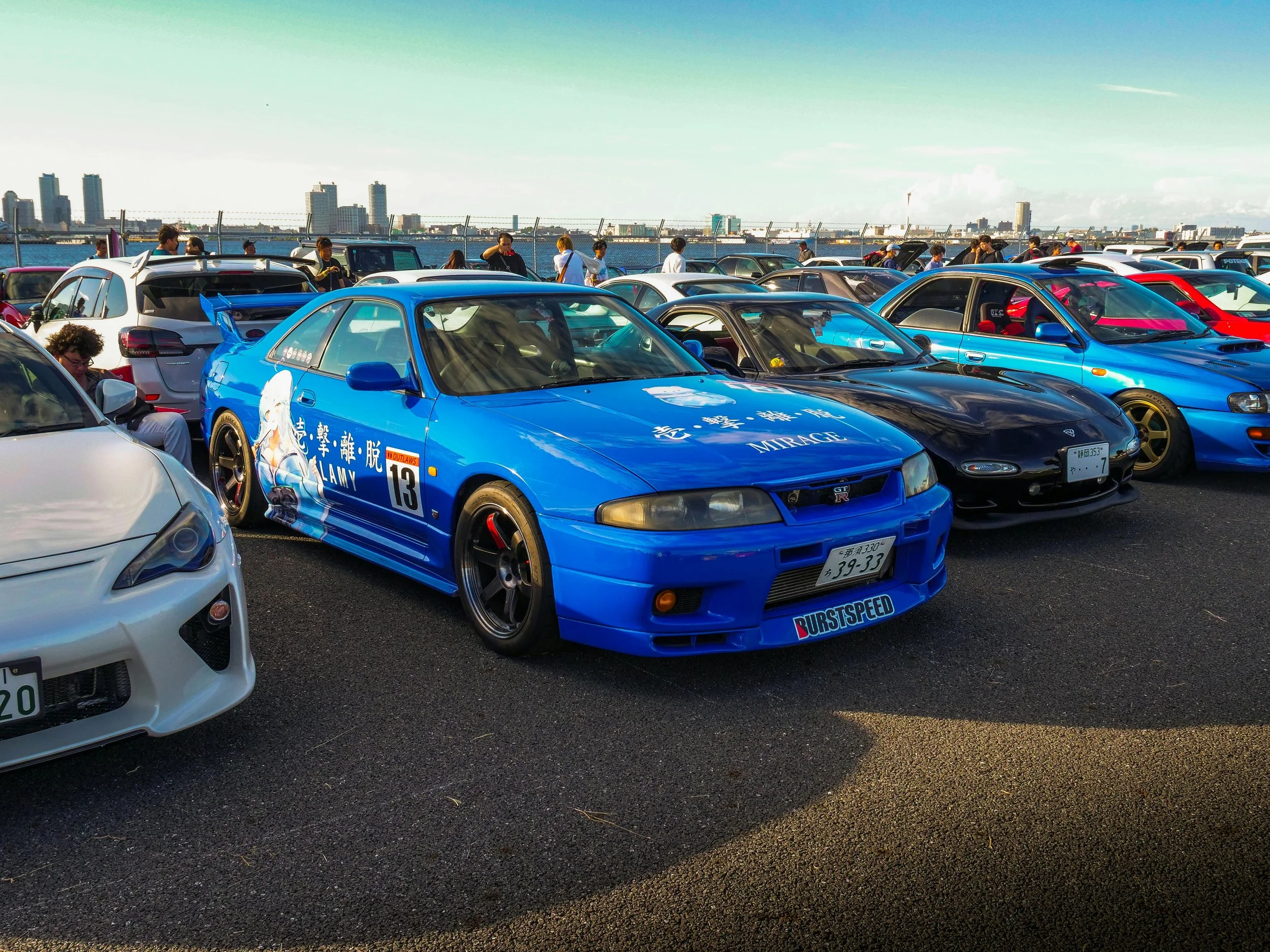
Photo by JDM Kuruma
It sounds backward at first. Cars have never been quicker, never more capable, never more brutally efficient at converting inputs into speed. Lap times keep falling, acceleration figures keep shrinking, and performance benchmarks that once seemed untouchable are now casually surpassed by family sedans. By every measurable standard, modern cars are extraordinary.
And yet, many of the best driving cars today are not the fastest ones.
That contradiction sits at the heart of modern car culture. Somewhere along the pursuit of speed, driving itself became secondary. What matters now is what a car can do in ideal conditions, not how it feels when you’re actually behind the wheel on a real road. The fastest cars impress immediately, but the cars that stay with you, the ones you want to drive again tomorrow, often live far below the top of the performance hierarchy.
Part of this comes down to how speed is achieved. Modern performance relies heavily on technology. All-wheel drive systems, adaptive suspensions, torque vectoring, and layers of electronic intervention work together to deliver astonishing results. They remove variables, smooth imperfections, and protect the driver from mistakes. The outcome is devastating pace with very little effort.
But effort is part of engagement.
When a car does everything for you, there’s less room for learning, less room for interpretation, and less room for satisfaction. You’re guiding a system rather than collaborating with a machine. The experience becomes about trust instead of communication. That’s thrilling for a moment, especially when the numbers are wild, but it rarely deepens with time.
Contrast that with slower, lighter cars that demand more involvement. Cars where throttle position matters, where steering feedback changes with the surface, where balance can be felt rather than managed invisibly. These cars reward attention. They make the driver feel present. Even at legal speeds, they offer layers of interaction that faster cars simply bypass.
This is why brands like Mazda continue to be praised for cars that aren’t headline-grabbing on paper. The appeal of something like a lightweight, modestly powered sports car isn’t acceleration, it’s clarity. You know what the car is doing. You understand its limits. You feel involved rather than impressed from a distance.
Weight plays a huge role here. As cars have grown larger and heavier, speed has become a solution rather than a feature. Extra power compensates for mass. Electronics compensate for inertia. The result is incredible capability paired with muted sensation. The car is working very hard so the driver doesn’t have to.
Slower cars can’t hide in the same way. When power is limited, balance matters more. When grip is finite, steering feel becomes critical. Mistakes are smaller, more recoverable, and more instructive. Driving becomes a skill again, not just an input sequence.
This is where many modern supercars and hypercars, for all their brilliance, begin to feel oddly distant. They’re designed to operate at speeds that are completely disconnected from everyday reality. On public roads, you’re barely accessing a fraction of their ability. The rest exists as potential rather than experience. You know the car is extraordinary, but you rarely get to feel why.
Cars that operate closer to their limits in normal conditions don’t suffer from that problem. You can explore them without crossing into absurdity. You can feel progression, not just results. That sense of progression is what turns driving into something memorable.
Manufacturers like Porsche understand this balance better than most. While they produce extremely fast cars, their most celebrated models are often the ones that prioritize feel over figures. Steering, pedal response, chassis balance, these things matter more to long-term satisfaction than another tenth shaved off a sprint time.
Then there’s the emotional side of speed. Faster doesn’t always mean more exciting. When acceleration becomes effortless, it can feel disposable. Instant torque is impressive, but predictability dulls drama. Older or slower cars often build speed in a way that feels earned. The sound rises, the effort increases, the car communicates strain and intent. That narrative matters.
This is why cars from brands like Lotus continue to hold such reverence despite modest outputs. They focus on lightness, simplicity, and feedback. On paper, they lose every comparison. On the road, they win something harder to quantify.
The industry often frames this as a nostalgia problem, as if enthusiasts are clinging to outdated ideals. But that misses the point. This isn’t about rejecting progress. It’s about recognizing that driving pleasure doesn’t scale linearly with performance. Past a certain point, more speed simply compresses the experience.
There’s also an accessibility issue. When the fastest cars become the default aspiration, driving enjoyment starts to feel exclusive. The idea that fun requires extreme performance discourages people from appreciating simpler machines. In reality, some of the most rewarding cars are attainable precisely because they aren’t chasing records.
The best driving cars today aren’t the fastest because they don’t need to be. They offer something speed alone can’t deliver. Connection. Feedback. A sense of participation. They invite the driver in rather than showing off from a distance.
As the automotive world continues to push boundaries, that distinction will matter more, not less. Because when the numbers stop surprising us, what remains is how a car makes us feel. And feeling, not speed, is what keeps people coming back to drive.
