

The Return of Old Tech That Never Should’ve Left
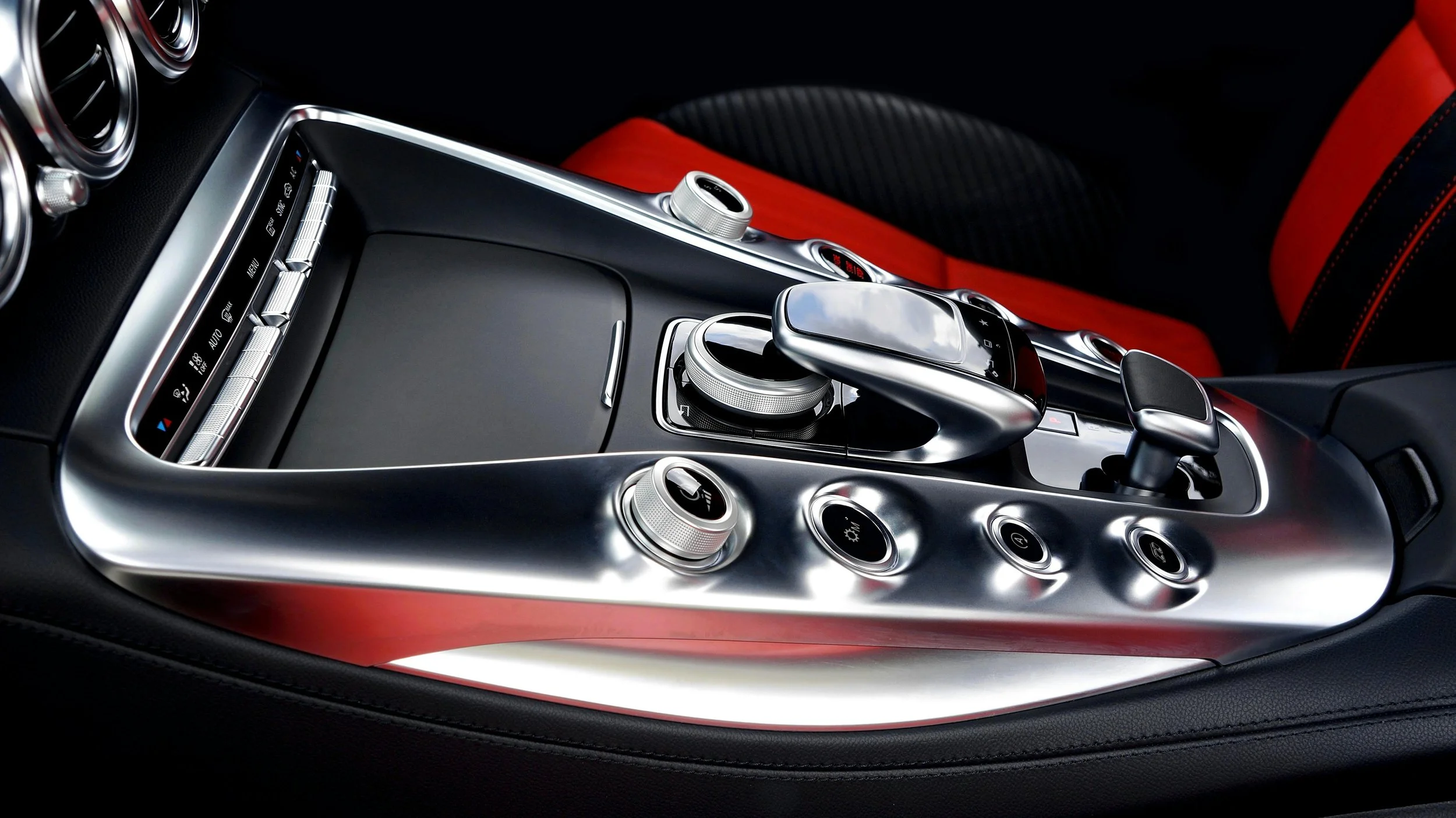
Photo by Mike Bird
For years, progress in the car world followed a simple rule: newer was always better. More screens, more automation, more layers between the driver and the machine. Anything that felt old was framed as outdated, inefficient, or nostalgic at best. And for a while, that story worked. Cars became faster, quieter, and more capable than ever before.
Somewhere along the way, though, something essential was lost.
What we’re seeing now isn’t a retro trend or a design gimmick. It’s a quiet reversal. Physical buttons are coming back. Analog-style gauges are reappearing. Steering systems are being recalibrated to feel less filtered. Even things like mechanical handbrakes and simpler switchgear are being reconsidered. Not because brands suddenly miss the past, but because the past got a few things right that modern design forgot.
Touchscreens are the most obvious example. They were sold as cleaner, smarter, and more intuitive. In reality, they often made simple tasks harder. Adjusting climate controls, changing drive modes, or navigating basic functions now requires visual attention that drivers shouldn’t need to give. The promise was efficiency. The result was distraction.
That’s why the return of physical controls feels less like nostalgia and more like common sense. A button can be found by feel. A dial can be adjusted without breaking focus. These aren’t emotional arguments, they’re ergonomic ones. After years of pretending software could replace everything, automakers are quietly admitting that some functions work better when they’re physical.
The same reevaluation is happening with driver feedback. Steering systems, especially electric ones, became lighter and more isolated over time. They were easier to live with, easier to tune for safety systems, and easier to market as refined. But refinement came at the cost of communication. Road texture, grip changes, and subtle feedback disappeared, replaced by artificial weighting and simulated resistance.
Enthusiasts noticed immediately. So did manufacturers, eventually.
Brands like Porsche never fully abandoned steering feel, but even they drifted toward isolation in certain generations. The fact that newer models are now being praised for restoring tactility says everything. This isn’t regression. It’s correction.
Instrumentation tells a similar story. Fully digital clusters were meant to offer infinite customization. In practice, they often feel interchangeable across brands. Speed, revs, navigation, driver assists, all layered into a glowing rectangle that looks impressive but rarely memorable. Older analog gauges, or digital displays designed to behave like them, do something modern screens struggle with. They communicate information instantly and emotionally.
You don’t need to read an analog tachometer. You feel it.
That emotional clarity matters more than manufacturers once believed. Cars are not phones. They’re not devices you upgrade every year. They’re objects people form relationships with. When everything becomes software-driven, those relationships become thinner. Updates replace character. Menus replace muscle memory.
The return of old tech is also tied to reliability and trust. Mechanical solutions fail in understandable ways. Software often doesn’t. When something goes wrong in a modern car, the cause can feel abstract and unfixable. A button either works or it doesn’t. A touchscreen glitch can lock out entire systems. For owners who plan to keep their cars, that difference matters.
This is where the broader cultural shift comes in. People are becoming more skeptical of frictionless design. Not just in cars, but everywhere. The idea that convenience should always override tactility is being questioned. Vinyl records, mechanical watches, and manual cameras all experienced similar revivals, not because they’re more efficient, but because they’re more engaging.
Cars are simply catching up to that realization.
Even performance technology is being reassessed. Dual-clutch transmissions and automated systems dominate for good reason, but manuals are no longer being dismissed outright. When manufacturers reintroduce them, they’re not chasing lap times. They’re acknowledging that involvement still matters to a segment of buyers who don’t want every decision made for them.
It’s important to say this isn’t about rejecting progress. Modern safety systems, efficiency gains, and performance advances are real and valuable. The mistake was assuming that progress only moves in one direction. In reality, good design keeps what works and discards what doesn’t, regardless of age.
What makes this moment interesting is how quietly it’s happening. There are no grand announcements declaring the return of buttons or feel. It’s happening model by model, revision by revision, often framed as “user-focused improvements” rather than admissions of past mistakes. But drivers notice. Reviews mention it. Owners feel it.
And once you notice it, it’s hard to ignore.
The irony is that much of this old tech never should have left in the first place. It wasn’t replaced because it failed. It was replaced because it didn’t look futuristic enough. Now, after years of chasing a digital ideal, the industry is circling back to fundamentals.
Control. Feedback. Clarity.
Those aren’t outdated concepts. They’re timeless ones. And as cars become more complex behind the scenes, the need for simplicity at the point of contact becomes even more important. The return of old tech isn’t a step backward. It’s a reminder that the best driving experiences have always been built on understanding the human behind the wheel.
