

The Quiet Disappearance of Entry-Level Performance Cars

Photo by Martin Katler
For decades, the entry-level performance car played a quiet but critical role in car culture. It was the first real taste of speed that didn’t require wealth, connections, or blind optimism about reliability. These were the cars that taught people how to drive properly, how to appreciate balance over brute force, and how to fall in love with the act of driving before numbers and status took over. They weren’t perfect, but they were accessible, and that mattered more than anything else.
Today, they’re fading away, not with a dramatic announcement or a clean break, but slowly, model by model, price hike by price hike.
What once counted as an attainable enthusiast car now sits at price points that would have seemed absurd not long ago. A “base” performance model routinely pushes past figures that used to belong to genuinely fast machinery. The shift hasn’t happened overnight, which is why it’s been easy to miss. Each generation creeps up slightly in size, weight, power, and cost, until suddenly the category itself no longer exists in any meaningful way.
Part of this comes down to economics. Modern cars are expensive to develop, and performance variants are no exception. Safety regulations, emissions standards, and technology expectations have added layers of complexity that simply didn’t exist twenty years ago. Even the most basic hot hatch now needs advanced driver assistance systems, infotainment suites, and increasingly sophisticated powertrain management. The cost of entry has risen before the car ever reaches a showroom.
But that’s only part of the story.
The deeper issue is that entry-level performance cars no longer fit comfortably into the way manufacturers think about their customers. Brands like BMW and Volkswagen once treated smaller, lighter performance models as stepping stones. You bought the accessible car first, grew attached to the brand, and eventually moved up the range. Loyalty was built through experience, not exclusivity.
That philosophy has shifted. Today, automakers are far more focused on margins than momentum. It’s easier, and often more profitable, to sell fewer expensive cars than many affordable ones. Entry-level performance models sit in an uncomfortable middle ground. They attract passionate buyers, but not necessarily the most profitable ones. As a result, they’re either pushed upmarket or quietly dropped altogether.
When replacements do arrive, they often miss the point. The weight goes up, the car grows in every direction, and the driving experience becomes more insulated. Power figures climb, but engagement doesn’t. What was once simple becomes layered with modes, filters, and software solutions designed to make the car feel exciting without actually letting it be raw. The result is something faster on paper, but less educational as a driver’s car.
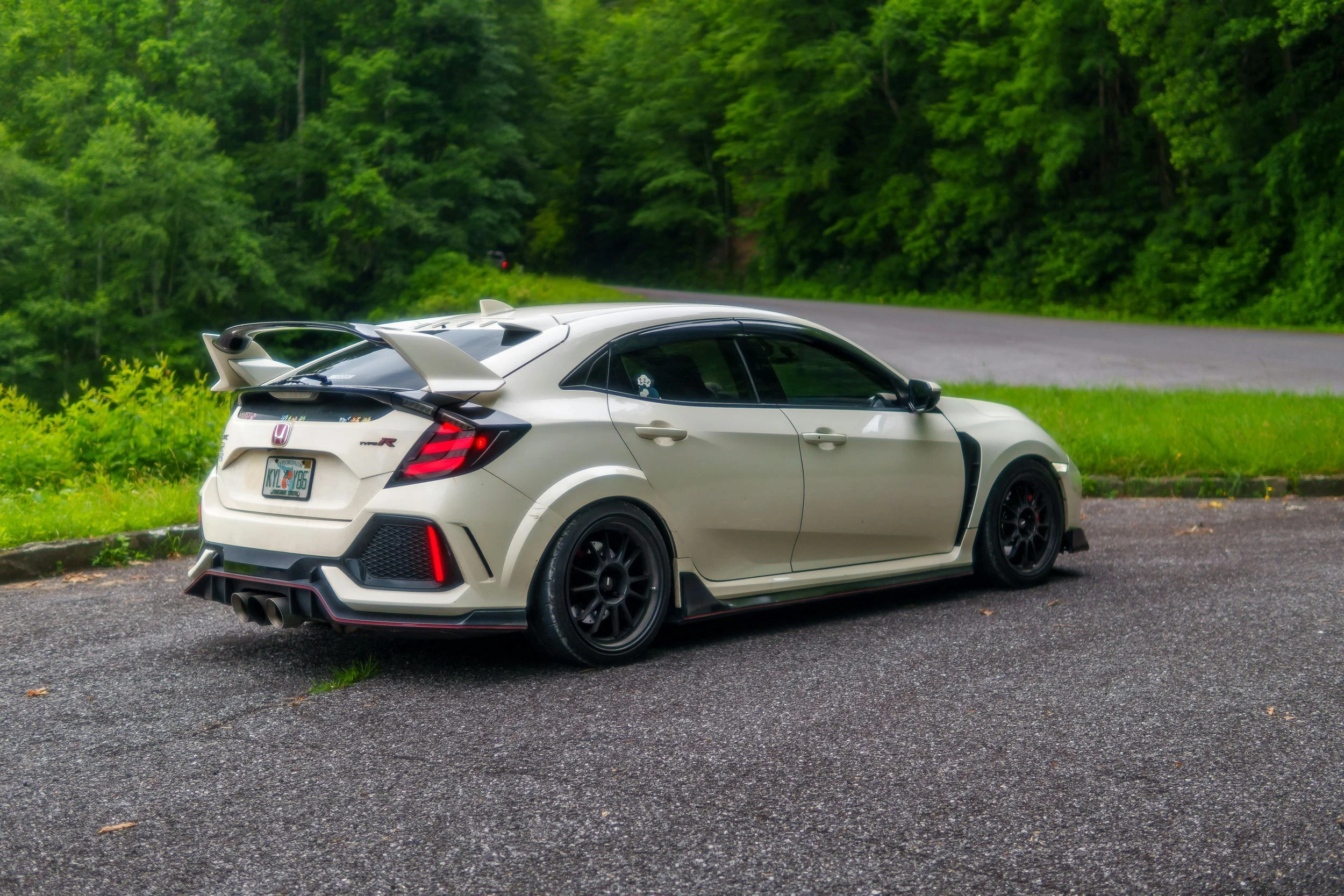
Photo by astesmedia
Affordability plays a bigger role than manufacturers are willing to admit. Rising insurance costs, stricter financing terms, and the general cost of living have reshaped what “entry-level” even means. For younger enthusiasts, the gap between wanting a performance car and being able to responsibly own one has widened dramatically. What used to be a realistic stretch has become a financial risk.
This is where the disappearance becomes cultural rather than commercial.
Entry-level performance cars weren’t just products, they were gateways. They brought people into the enthusiast world. Track days, weekend drives, car meets, even basic mechanical curiosity often started with these cars. Remove the gateway, and the culture doesn’t immediately collapse, but it does thin out over time. Fewer people get hooked early. Fewer people learn through experience rather than content. The community grows louder online while shrinking in real life.
There’s also a generational cost. Many of today’s most passionate enthusiasts trace their interest back to a modest, imperfect performance car they could actually afford. Those memories don’t form around luxury leases or unobtainable icons. They form around cars that felt special because they were yours, not because they were rare.
Electric vehicles complicate things further. While EVs promise performance at lower running costs, they haven’t yet filled the emotional role entry-level performance cars once played. Instant torque is impressive, but it doesn’t teach nuance. Without sound, shifting, or mechanical feedback, the learning curve flattens. For new drivers, the experience becomes impressive but distant, more appliance than obsession.
Some manufacturers argue that the enthusiast market has simply changed, that buyers now want more comfort, more tech, and more status from day one. That’s partially true. But it also ignores the fact that many enthusiasts didn’t know what they wanted until they experienced it. Entry-level performance cars created enthusiasts. They didn’t just serve them.
The quiet disappearance of these cars isn’t inevitable, but reversing it would require a shift in priorities. Lighter platforms instead of larger ones. Simpler interiors instead of feature overload. Honest performance rather than inflated numbers. Most importantly, pricing that acknowledges the role these cars play beyond profit spreadsheets.
Until then, the entry-level performance car will continue to vanish, not with a farewell edition or a press release, but with a whimper. And years from now, when manufacturers wonder why fewer people care deeply about driving, the answer will be hiding in plain sight.
