

How “Limited Edition” Has Lost All Meaning
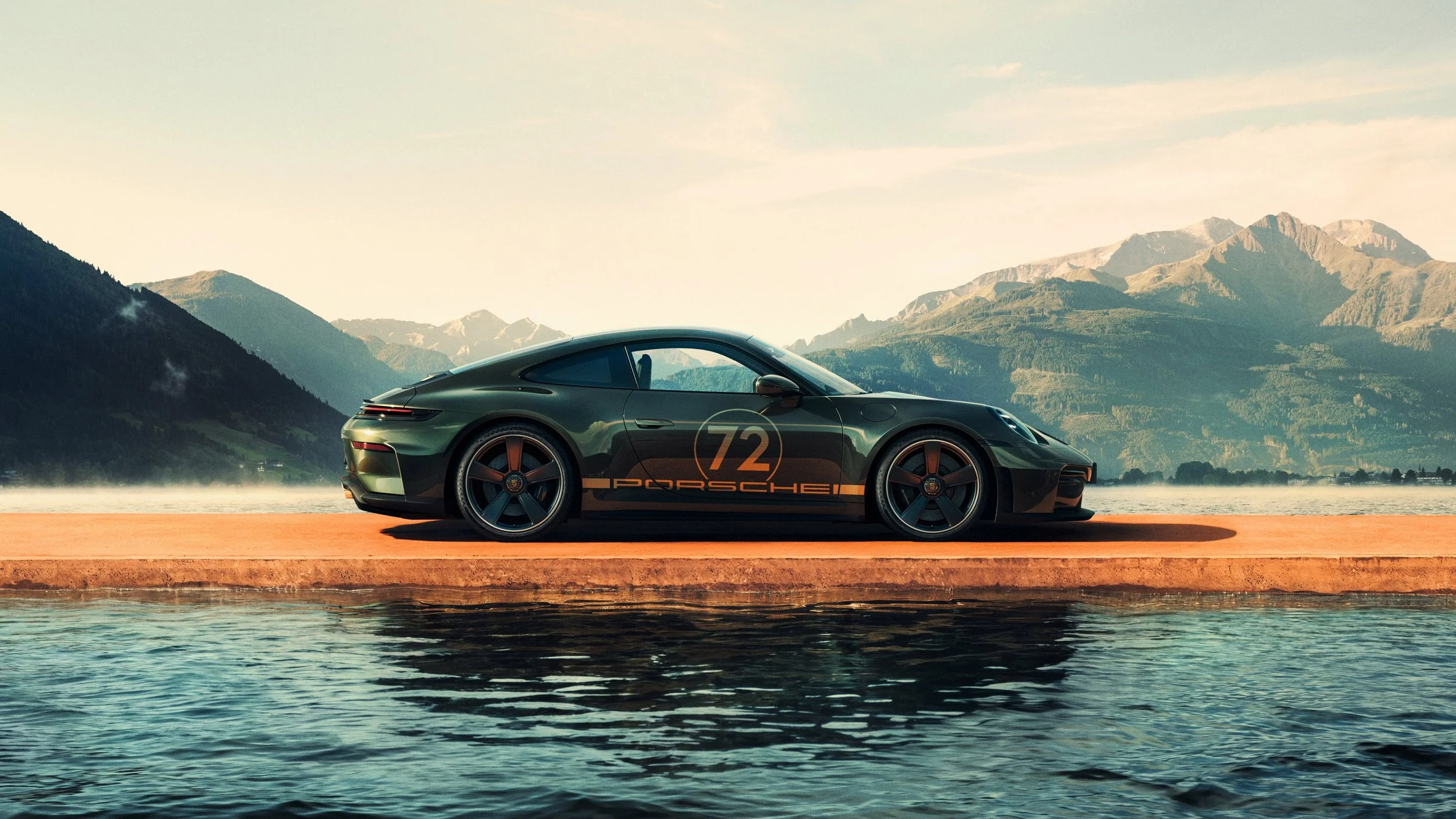
There was a time when the phrase “limited edition” actually meant something. It implied rarity, intention, and a reason for existing beyond marketing. A limited car was usually tied to a moment, a racing program, a farewell to an engine, or a genuine technical experiment. You didn’t need to be told it was special, the car itself made that clear.
Today, the term is everywhere, and because of that, it has become almost meaningless.
Scroll through any manufacturer’s press releases and you’ll see it repeated endlessly. Limited to 500 units. Limited to 1,000 units. Limited to one model year. Limited to a specific color, interior trim, wheel design, or badge placement. Sometimes the only thing truly limited is the patience of the audience being asked to care.
The problem isn’t that automakers are building too many cars. It’s that they’re calling too many of them special.
Brands like Ferrari and Porsche built their reputations on limited models that felt purposeful. When Ferrari produced a run of cars tied to motorsport success or engineering milestones, it made sense. When Porsche created homologation specials or final editions of iconic platforms, they carried weight. These cars weren’t limited to inflate demand, they were limited because they had to be.
That logic has quietly disappeared.
Now, limited editions are often indistinguishable from the standard model once the press photos fade. A new paint code, contrast stitching, a numbered plaque, and suddenly the car is framed as something collectible. In many cases, the mechanical experience is unchanged. The engine behaves the same. The chassis feels the same. The drive itself offers nothing new. What’s being sold is not a different car, but a different story.
And stories don’t age as well as engineering.
Part of the issue comes from how car culture itself has shifted. Social media rewards novelty over longevity. A limited edition doesn’t need to be better, it just needs to be new long enough to dominate a news cycle. Once the engagement dips, another “exclusive” variant appears to take its place. The result is an endless churn of supposedly rare cars that never have time to become meaningful.
This also explains why production numbers have quietly inflated. Five hundred units used to feel substantial. Now it barely registers. Some manufacturers release multiple limited editions of the same model within a single generation, each one positioned as rare, even though combined they outnumber the original car by a wide margin. Scarcity has become a flexible concept.
Collectors notice this, even if brands hope they don’t.
True exclusivity used to come from difficulty. You had to understand the car, know its context, and sometimes accept compromises. Many historic limited cars were louder, stiffer, harder to live with. They asked something of the driver. That challenge became part of their identity. Modern limited editions, by contrast, are often designed to offend no one. They’re comfortable, accessible, and carefully filtered to appeal to the widest possible audience, which undercuts the very idea of exclusivity.
There’s also a growing disconnect between price and substance. Limited editions now routinely command massive premiums without offering proportional differences. Buyers are asked to pay more not for innovation, but for access. The value proposition becomes psychological rather than mechanical. You’re not paying for what the car does, you’re paying for how it’s perceived.
That perception-driven approach works in the short term, but it creates long-term fatigue. Enthusiasts become skeptical. The announcement of a new limited model no longer generates excitement, it generates suspicion. What’s actually different this time? Why does this one exist? Will it still matter in five years?
Often, there’s no convincing answer.
Ironically, this dilution hurts the cars that truly deserve the label. When everything is special, nothing is. Genuine limited-run projects get lost in the noise, drowned out by cosmetic editions that exist primarily to fill production gaps or boost margins. The word “limited” no longer signals significance, it signals a sales strategy.
What makes this moment particularly frustrating is that manufacturers are fully capable of doing better. We’ve seen glimpses of it when brands take risks again, stripping weight, removing insulation, changing the character of a car in ways that can’t be captured by a spec sheet alone. Those cars stand out immediately, not because they’re rare, but because they feel different.
That’s what limited edition used to mean.
If the term is to regain any credibility, it needs to be tied back to intent. A limited car should exist because it couldn’t exist any other way. It should represent a constraint, not a marketing decision. Fewer units because of complexity, cost, regulation, or philosophy, not because scarcity sells better than honesty.
Until that happens, the phrase will continue to lose weight, repeated until it becomes background noise. And in a world already saturated with content, hype, and overexposure, that’s the last thing car culture needs.
When a truly special car finally arrives, the challenge won’t be building it. The challenge will be convincing people to believe it again.
