

Is the Golden Era of Performance Already Behind Us?
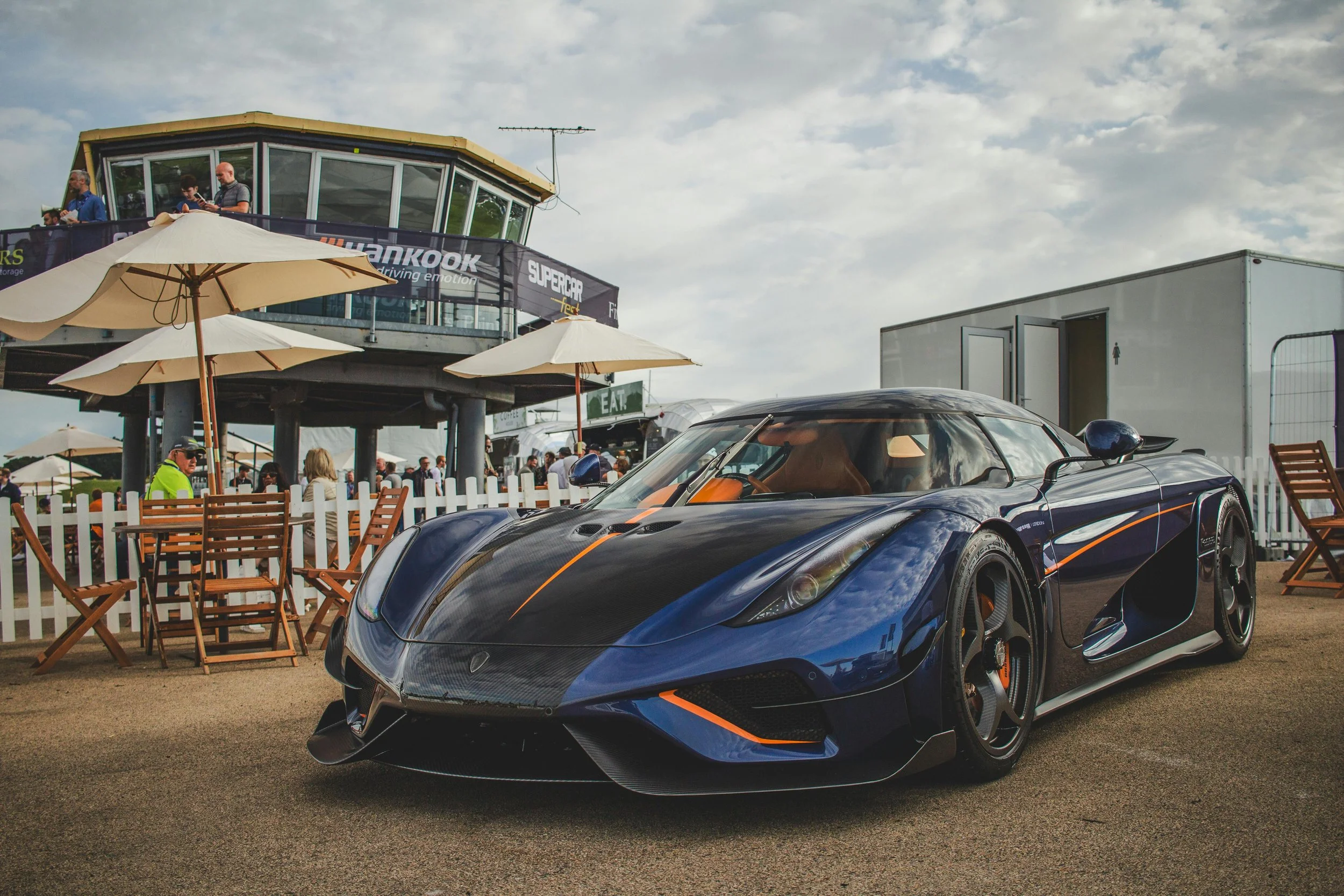
Photo by txomcs
It feels like we are living in the fastest era the automotive world has ever known, yet something about it feels strangely muted. Performance figures are higher than ever, acceleration times are almost absurd, and manufacturers continue to push boundaries that once seemed unreachable. And still, many enthusiasts sense that we may already be looking backward when we talk about the golden age of performance, not forward.
On paper, this should be the peak. Hypercars now produce four-digit horsepower numbers. Cars accelerate with violence that once belonged exclusively to race machines. Names like Bugatti and Koenigsegg have turned engineering into spectacle, redefining what is physically possible on four wheels. Yet despite this, the emotional response feels more restrained than expected. The numbers are incredible, but the excitement doesn’t always match them.
When Performance Became a Statistic
There was a time when performance gains felt rare and earned. Each new benchmark arrived slowly, giving enthusiasts time to absorb what had changed. A faster 0–100 time or a higher top speed meant something because it represented a clear leap forward. Today, those milestones fall so frequently that they barely register.
Performance has become data-driven. Launch control, traction algorithms, and dual-clutch gearboxes ensure repeatable results, not necessarily memorable experiences. Cars are engineered to deliver maximum output with minimal effort from the driver. The sensation is impressive, but also strangely distant. You are aware of the speed, but often disconnected from how it’s achieved.
This is where the golden era question begins to take shape. If performance no longer requires skill to access, does it lose part of its meaning?
The Hypercar Arms Race
No segment illustrates this better than the hypercar world. Bugatti and Koenigsegg exist at the very edge of automotive possibility. Their cars are triumphs of physics, manufacturing, and ambition. They are faster, stronger, and more complex than anything that came before.
Yet these machines are also increasingly abstract. They are rarely driven at their limits, rarely seen in motion, and often exist more as statements than experiences. Performance here becomes theoretical, something admired from a distance rather than lived.
That doesn’t diminish the achievement. It simply changes its role. Hypercars now function more like proof-of-concept sculptures than objects of desire for most enthusiasts. They inspire awe, not aspiration.
Speed Without Struggle
One of the defining traits of past performance icons was struggle. Power overwhelmed tires. Gearboxes demanded attention. Chassis flexed, engines protested, and drivers had to adapt. That struggle created intimacy. You learned the car by managing its flaws.
Modern performance cars, by contrast, are astonishingly composed. Electronics smooth out rough edges. Torque is metered, mistakes corrected, danger reduced. The result is speed that feels effortless.
Effortlessness is impressive, but it can also feel empty. When everything works perfectly, there is less for the driver to overcome. The relationship shifts from collaboration to observation. You are present, but not always essential.
Regulation and the Shape of Performance
Another factor shaping this moment is regulation. Emissions, noise limits, and safety requirements have narrowed the paths available to engineers. Performance still exists, but it is increasingly filtered. Sound is muted. Weight increases. Complexity replaces simplicity.
Manufacturers respond by adding power, but power alone cannot replace character. A car can be faster while feeling less alive. Many enthusiasts sense this intuitively, even if they can’t quantify it.
The golden era may not have been defined by raw output, but by how performance felt. The way engines sounded unrestrained. The way steering communicated. The way speed demanded respect.
Electric Performance and the Future Question
Electric cars complicate the conversation further. They are undeniably fast. In many cases, they are faster than anything that came before. Instant torque rewrites expectations, and acceleration becomes a constant rather than a build.
But speed without drama changes how performance is perceived. There is no crescendo, no rising tension. The car simply goes. For some, this is thrilling. For others, it feels one-dimensional.
Electric performance may represent the future, but it also highlights what is being left behind. The sensory layers that once defined performance driving are thinner. The experience is cleaner, but also quieter in every sense.
What the Golden Era Really Was
Perhaps the mistake is assuming the golden era was about speed at all. It may have been about balance. A time when performance, sound, feedback, and imperfection coexisted. When cars were fast enough to be exciting but flawed enough to feel human.
That era produced icons not because they were the fastest, but because they were distinctive. They demanded involvement. They rewarded commitment. They felt alive.
Today’s cars are often better in every measurable way, yet harder to fall in love with. The magic is still there, but it is buried under layers of optimization.
Not the End, Just a Shift
So is the golden era of performance already behind us? In some ways, yes. The era of raw, imperfect, mechanically expressive performance is fading. But that does not mean performance itself is dying.
It is evolving. What excites future generations may look different. New forms of engagement will emerge. New definitions of thrill will take shape.
For now, we exist in a strange in-between moment. Surrounded by the fastest cars ever made, yet increasingly nostalgic for slower ones that made us feel more. That tension defines modern car culture.
The golden era may not be over. It may simply be changing shape. And whether that change feels like progress or loss depends on what you value most when you turn the key.
