

The Top 5 Supercars Coming Out in 2026
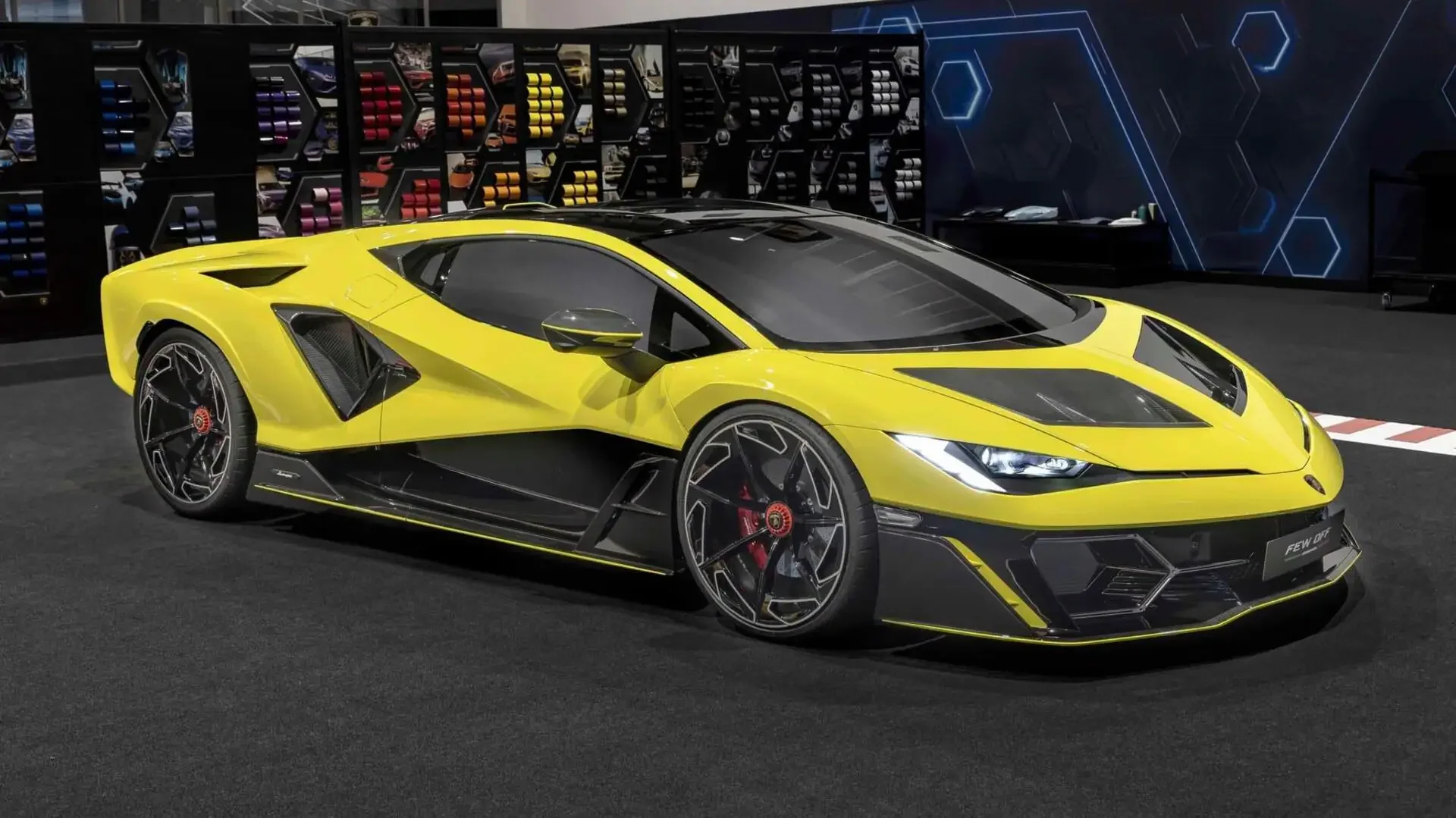
There’s a moment in automotive history when the frontier between possibility and absurd ambition blurs. Today, that boundary is under relentless pressure. Each year brings more powerful, more refined, more dramatic machines than the last. In 2026, an especially unique group of supercars is poised to appear — cars that unite advanced engineering with uncompromising performance, each in a distinctive way.
From hypercar reinterpretations of racing prototypes to the next evolution of combustion engineering, these five machines aren’t just fast — they embody the future of performance. They challenge assumptions about sound, speed, and technological relevance. What follows isn’t a list of speed-stats alone, but a look at the cars shaping the next chapter of automotive performance.
1. Toyota GR GT
Toyota’s return to halo performance with the GR GT marks a daring evolution for the brand. While Toyota’s reputation has long centered on reliability and everyday sense, its Gazoo Racing division has pursued something different: performance with unique character and endurance credentials.
The GR GT’s design is unmistakably focused. Sculpted surfaces, aggressive aerodynamics, and an emphasis on driver engagement suggest a machine built for both road and track. Under the hood, Toyota’s engineers are expected to blend hybrid performance with combustion dynamics in a way that prioritizes responsiveness over raw power alone.
For many enthusiasts, the appeal lies in Toyota’s renewed dedication to performance without dilution. It’s not just about breaking records; it’s about creating a supercar that feels usable, engaging, and deeply rooted in driving pleasure — a rare quality in an age dominated by sheer horsepower figures.
2. Red Bull RB17
When an F1 team decides to build a road-legal hypercar, it’s impossible not to pay attention. The Red Bull RB17 is the most anticipated non-production-based hypercar in years precisely because of its heritage. Inspired by Formula 1 technology, but without the strict constraints of racing rules, the RB17 promises a freakishly direct connection between driver and machine.
Where many hypercars are engineered to be intuitive for all levels of driving, the RB17 is unabashedly focused on the enthusiast who understands weight, aero balance, and throttle modulation. The absence of hybrid systems in some configurations emphasizes purity over maximum output. Instead of chasing numbers, the RB17 appears designed to deliver a visceral, unfiltered experience.
In a world where many cars chase headlines with specs alone, Red Bull’s approach feels refreshingly singular: engineering rooted in racing principles, adapted for the road.
3. Lamborghini Fenomeno
Lamborghini has never shied away from spectacle, and the Fenomeno is no exception. With Lamborghini’s trademark bold styling taken to an even wider, more aggressive scale, it’s clear that the Fenomeno is meant to dominate presence as much as performance.
But beneath the dramatic bodywork lies serious engineering. The Fenomeno is expected to blend naturally aspirated aggression with hybrid assist systems in a way that enhances throttle response and launch performance without erasing the emotional connection between driver and powertrain.
More than most cars in this lineup, the Fenomeno feels like a statement. It’s a reminder that flamboyance and technical ambition can coexist — that a supercar need not apologize for bold design or theatrical intent. In an era where restraint often masquerades as refinement, the Fenomeno asserts character as performance in its own right.
4. McLaren W1
McLaren’s W1 represents the next logical step for a company defined by its obsession with lightweight structures and performance efficiency. In a world where figures are often the headline, McLaren has quietly maintained a philosophy that speed without control is a hollow triumph.
For the W1, that philosophy manifests in radical weight savings, advanced materials, and a chassis tuned for feedback. Rather than flooding the powertrain with electric assist simply to chase peak output, McLaren has taken a balanced approach: a potent combustion engine paired with refined dynamics that ensure the driver remains at the center of the experience.
What makes the W1 so compelling is its refusal to sacrifice core principles. In an era of broad compromises, McLaren is betting that precision and purity still matter — that a car doesn’t need to be the loudest to be the most engaging.
5. Bugatti Tourbillon
If hypercar mythology had a cornerstone, it would be Bugatti. For decades, Bugatti has translated wealth into engineering ambition, culminating in cars that defy convention through power, luxury, and exoticism. The Tourbillon is poised to continue that lineage, but with a uniquely modern twist.
Early impressions suggest a focus on blending torque and aerodynamic sophistication in a way that elevates both straight-line authority and high-speed stability. The Tourbillon seems poised to bridge the worlds of extreme performance and usable luxury — a solidity of build quality that makes daily transport more realistic than one might expect from a hypercar of this caliber.
What makes the Tourbillon truly intriguing is its role as a cultural barometer: a machine that measures not just speed, but ambition. In a moment where performance priorities are evolving, Bugatti remains committed to delivering machines that capture imagination as much as they conquer roads.
What This Says About 2026 Performance Culture
2026 is shaping up to be a year where performance takes multiple forms. These five machines are unified by ambition, but their differences are telling.
Toyota’s GR GT speaks to passionate engineering married with real-world usability. The RB17 merges racing DNA with road reality. The Fenomeno celebrates flamboyant design tied to dynamic intent. McLaren’s W1 emphasizes balance and driver engagement, and the Bugatti Tourbillon continues a legacy of boundary-pushing authority.
Together, they suggest a future of performance that is not singular, but plural. It is not defined only by acceleration or top speed, but by how these machines communicate with the driver, how they harness technology, and how they honor the emotional roots of automotive passion.
In 2026, the supercar is not just faster. It is more expressive.
